Hawaii with Kids: 10 Tips for a Better Family Trip
Hawaii with kids can absolutely be incredible — but it’s not the effortless tropical vacation many families imagine. We took our three children and came back with big memories, a few hard lessons, and a much clearer sense of what actually makes a family trip there work. What follows is everything we’d tell a family planning their first Hawaiian trip — what worked, what didn’t, and what we’d do differently.
1.Try Something Local
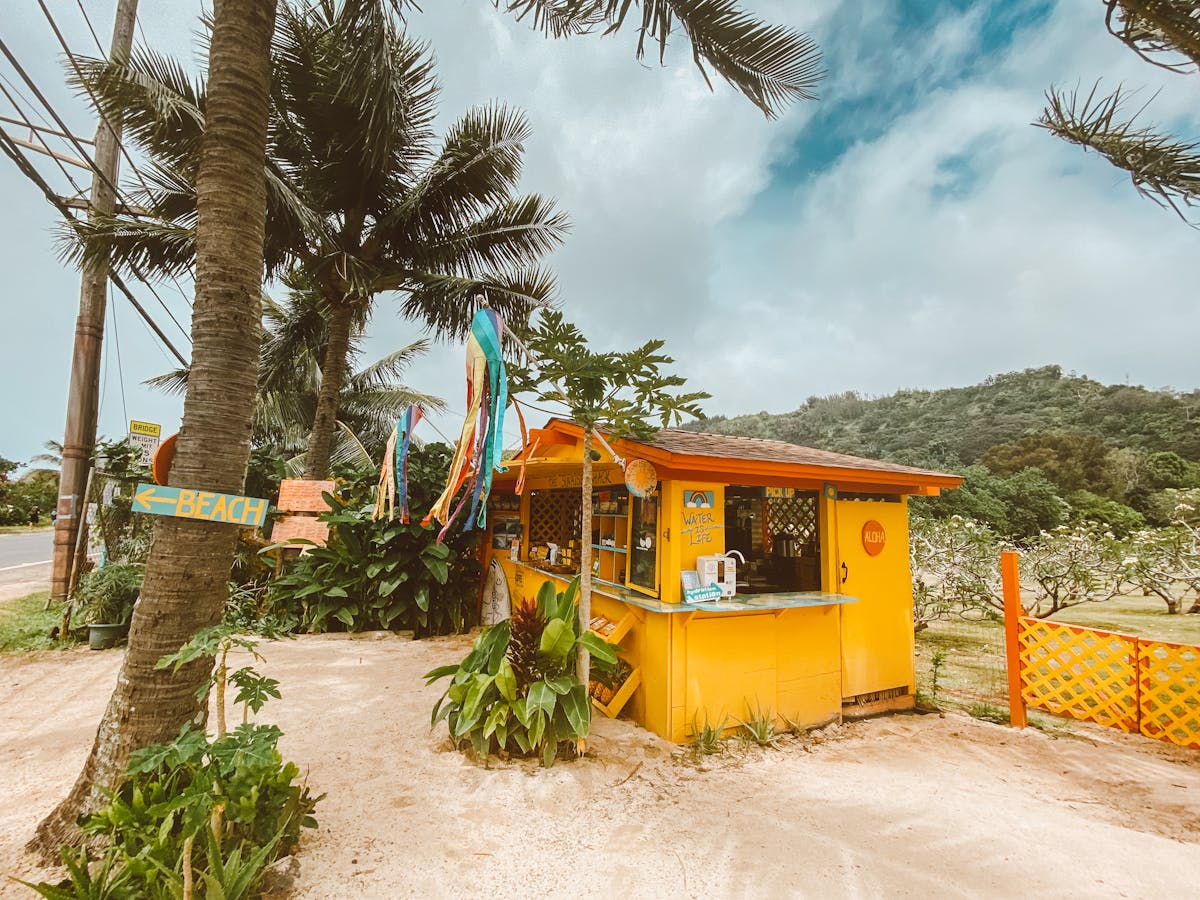
If you’re traveling all the way to Hawaii — especially from the east coast of North
America — make the effort to experience what makes it such a unique and special
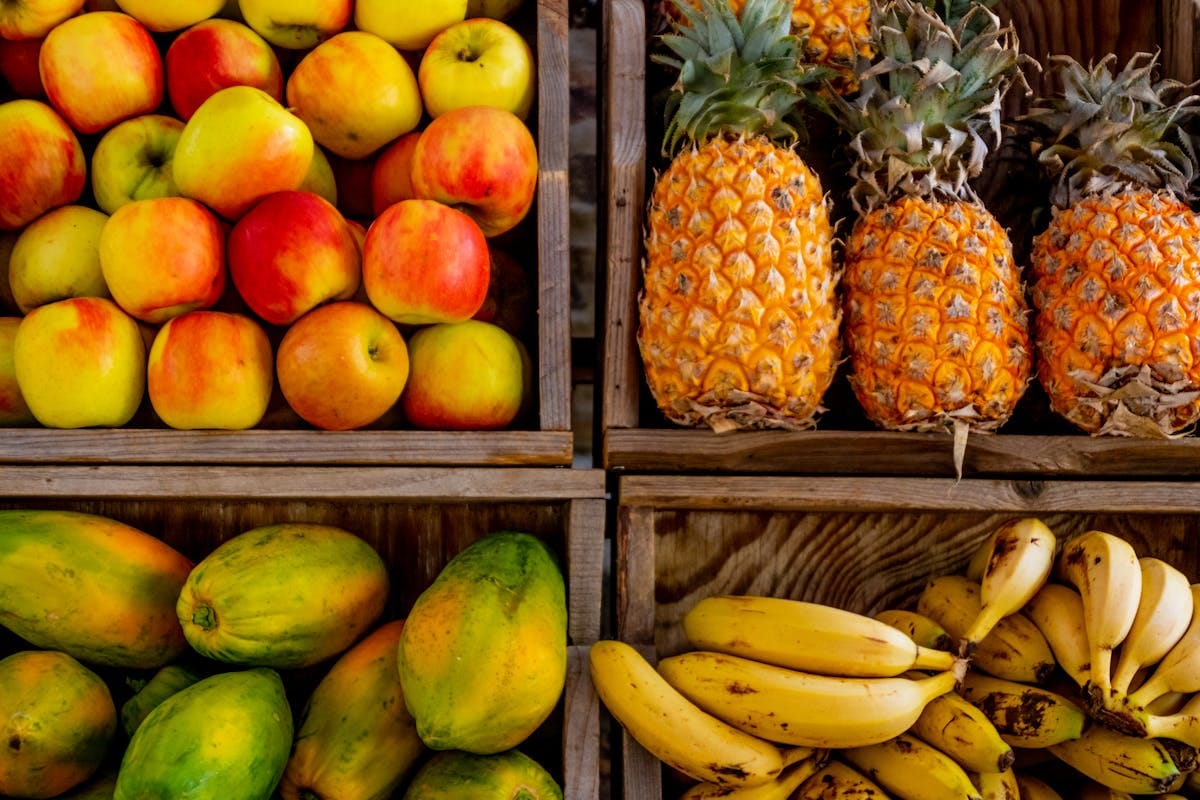
place. It doesn’t have to be something big. Visit a local fruit market and try fruits you
won’t find at home. Look for a community or cultural center. Check if there’s a local
event or festival happening during your stay. With kids, a visit to a vanilla bean, coffee,
or pineapple farm can be genuinely memorable. Whatever you choose, the point is to
slow down and appreciate what makes Hawaii different from anywhere else.
2. Pick Your Island Based on Your Trip Style
Not every Hawaiian island is the same — and the one you choose should match the
kind of trip your family actually wants to have.
Maui — Best for: a polished, easy mix of beach + exploring
Maui is more developed than many people expect, with a strong resort presence and
well-maintained infrastructure. It’s a good fit if you want beautiful beaches and scenic
drives alongside reliable dining options and a more convenient overall experience.
Kauai — Best for: nature + slower pace
Kauai is quieter and more laid-back, with an emphasis on natural beauty over planned
activities. It’s less developed than the other islands — fewer large resorts, more
untouched scenery — and a natural fit if slowing down is the whole point.
Oahu — Best for: ease + variety + minimal logistic
Oahu is the most accessible island, with the widest range of activities, dining, and
accommodations. It’s a strong choice if you want flexibility without heavy planning. Just
know that Honolulu and Waikiki can feel busy and congested in peak season — so
choose your base carefully.
Big Island (Hawaii Island) — Best for: big landscapes + unforgettable experiences + variety
The Big Island is the most diverse and dramatic of the islands, with black sand beaches,
active volcanoes, and lush rainforest all within reach. It requires more driving, but that
variety is the point. The natural landscapes here often feel more impactful tha
anywhere else in Hawaii.
3. Visit One Island Per Week
This might not be what you want to hear, but stick with one island per week — and even
that can feel rushed depending on where you are. It’s easy to get excited about
everything Hawaii has to offer across the different islands, but moving a family is a full
production. By the time you’ve packed up, gotten to the airport, flown, and settled into
new accommodations, you’ve lost an entire day that could have been spent on the
island you just left. There are no bad islands in Hawaii, so do your research and pick the
one that’s right for your family.
4. Book Your Must-See Activities in Advance
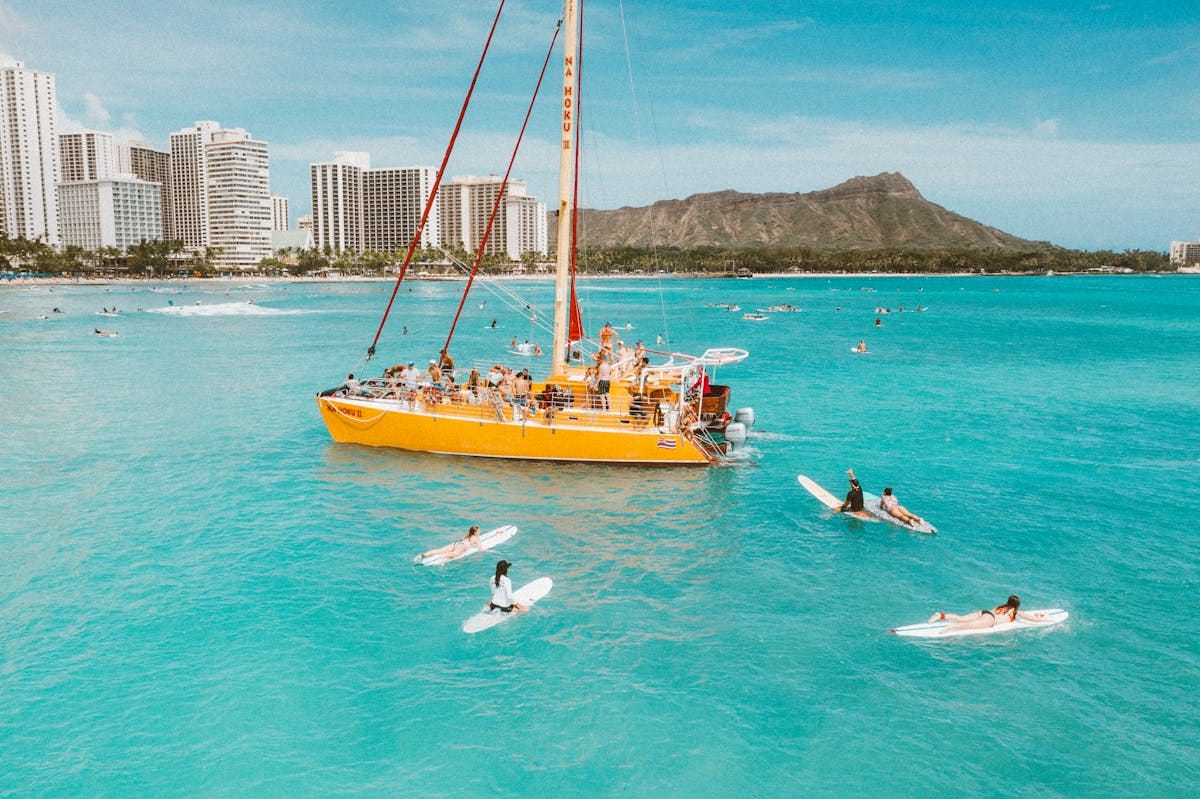
If there’s an activity at the top of your list, book it before you leave home — and
schedule it early in your trip. Hawaiian weather can put a wrench in outdoor plans, and
ocean conditions sometimes mean boats can’t go out at all. Most tour operators will
work hard to rebook you, but in high season that could be several days out, especially
for larger groups. Booking early gives you buffer room. That said, try to limit pre-booked
excursions to two. Once you arrive, something will likely catch your family’s interest that
you didn’t anticipate — and you’ll want the flexibility to say yes.
5. Stay Off Resort
For families, staying off resort in a home, condo, or townhome is worth serious
consideration. The extra space to spread out makes a real difference at the end of a
long day, and it tends to feel more peaceful than a busy resort — especially in peak
season. It can also help keep costs down significantly. If you still want access to a big
pool or waterslide, some resorts offer day passes, which gives you the best of both. If
you’re set on staying at a resort, look for one with suite-style accommodations and a full
kitchen — the added space and ability to prepare some of your own meals makes the
experience much more manageable with kids.
6. Rent a Car
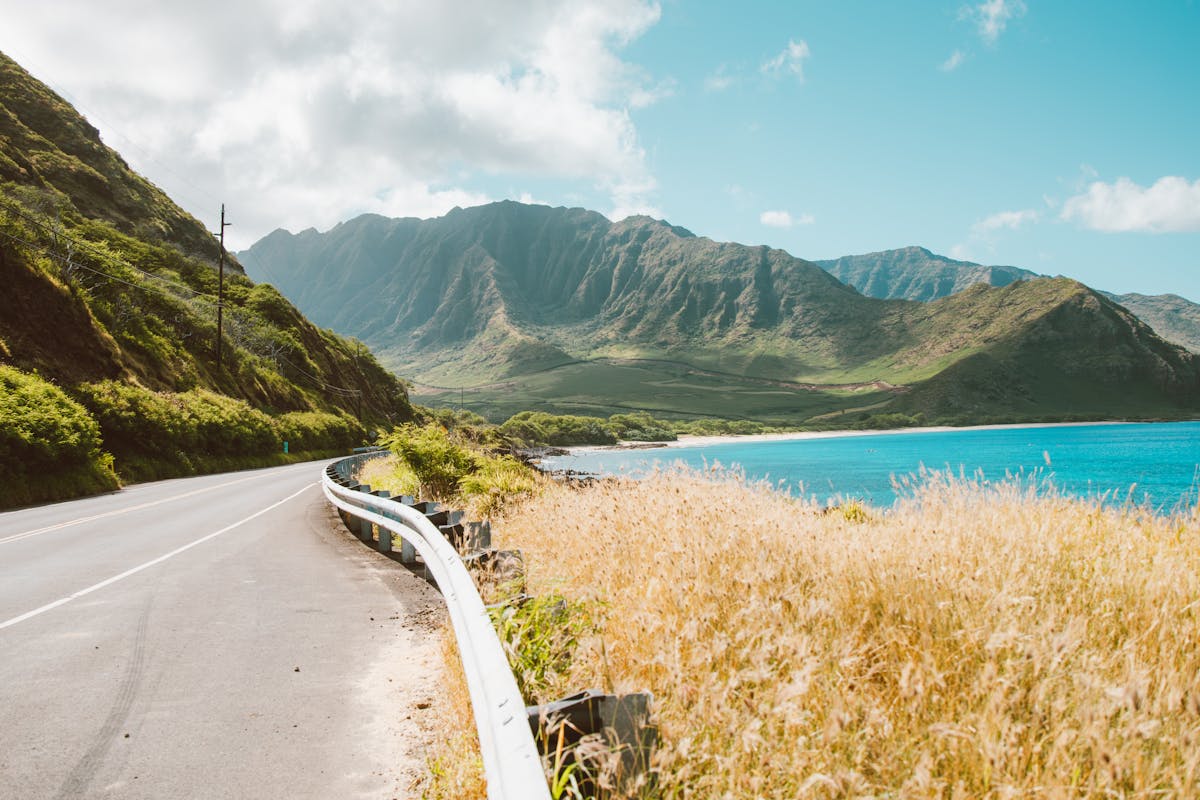
Even if you’re planning a mostly beach-based trip, rent a car — even if only for a few
days. Having your own car opens up coastal drives where you can stop at beaches and
lookouts on your own schedule, hiking trails further inland, and natural features like
waterfalls and rainforests that you simply can’t reach otherwise. Hawaii rewards the
spontaneous detour, and that’s hard to do without a car. If renting isn’t possible, a
guided tour is a worthwhile alternative — it’s a great way to see a different side of the
island and experience ecosystems that most visitors never get to.
7. Ocean Safety
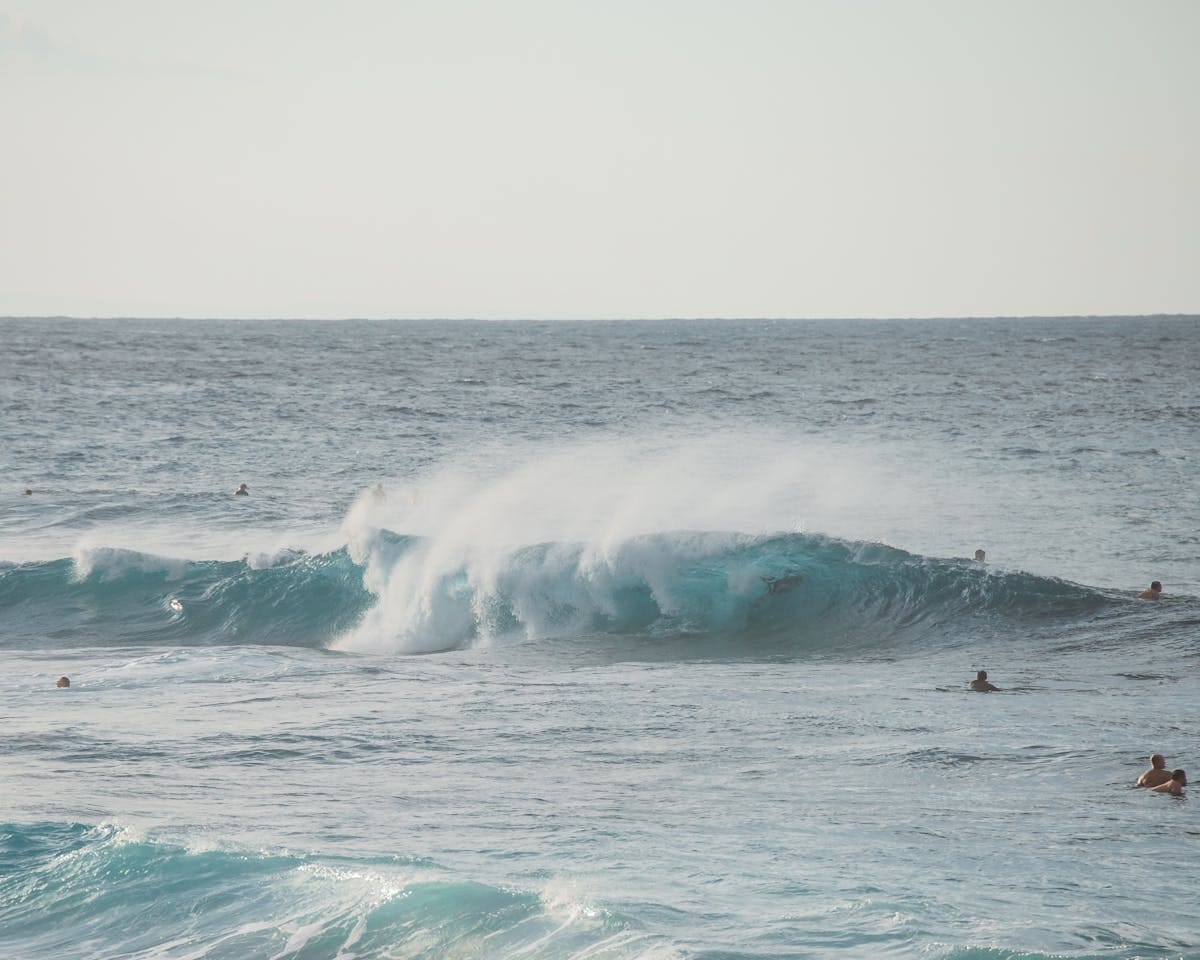
Hawaii’s ocean is beautiful and it is also powerful. Rip currents, shore breaks, and
sudden wave surges catch people off guard every year — including strong adult
swimmers. Before your family gets in the water anywhere, take a few minutes to
understand the conditions at that specific beach that day.
Check the Hawaii Beach Safety app or website before you go. It gives real-time
warnings and flags beaches by risk level. When you arrive, look for posted signs and
colored flag systems, and take them seriously. Talk to a lifeguard if one is present —
they know that beach and that day’s conditions better than any app.
A few things to teach your kids before you go: never turn your back on the ocean, never
swim alone, and if you’re ever caught in a rip current, don’t fight it — swim parallel to
shore until you’re out of it. Practice saying this out loud with them. It sticks better than
reading it on a sign.
Some of the most beautiful beaches in Hawaii are not safe for swimming. That’s not a
reason to avoid them — they’re often stunning for walking, tide pooling, or watching the
surf. But know the difference before you wade in.
8. Sun Safety
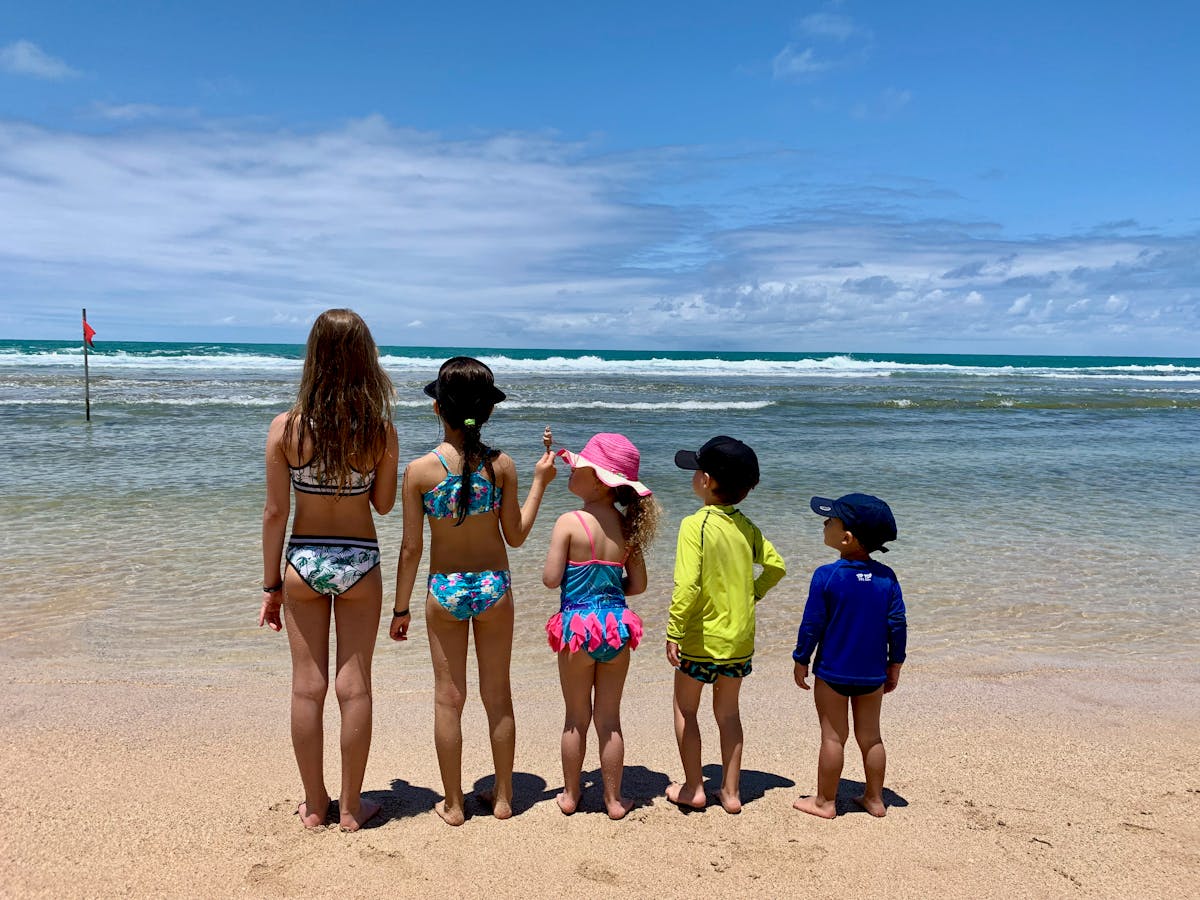
The Hawaiian sun is stronger than most families are used to, and it hits harder than you
expect. A child who seems fine at 10am can be burned by noon. Apply sunscreen
before you leave your accommodations — not at the beach — and reapply every two
hours, more often if your kids are in and out of the water.
One important note: Hawaii has banned sunscreens containing oxybenzone and
octinoxate, two chemicals shown to damage coral reefs. This isn’t just a local regulation
to comply with — it’s a meaningful way to protect the ecosystems your family is there to
enjoy. Look for mineral sunscreens with zinc oxide or titanium dioxide. They work well
and are reef-safe.
Beyond sunscreen: rash guards are worth packing for every kid. They remove the
reapplication problem for a big portion of the body and are especially useful for kids who
spend long stretches in the water. A wide-brim hat and UV sunglasses round it out. And
build in shade time mid-day. Your kids will need it.
9. Make Grocery Store Meals
The cost of food in Hawaii catches a lot of first-time visitors off guard. Even coming from
Canada, where groceries aren’t cheap, the prices — at restaurants especially — can be
eye-watering. Making simple breakfasts at your accommodations and picking up ready-
to-go meals from the grocery store for lunch is one of the most effective ways to keep
costs manageable. Most grocery stores have solid prepared food sections where
everyone can pick what they want. It’s cheaper than sitting down at a restaurant, and it
gives you the flexibility to eat wherever you like — a picnic at the beach, on your
balcony, wherever the day takes you.
10. Plan for Downtime
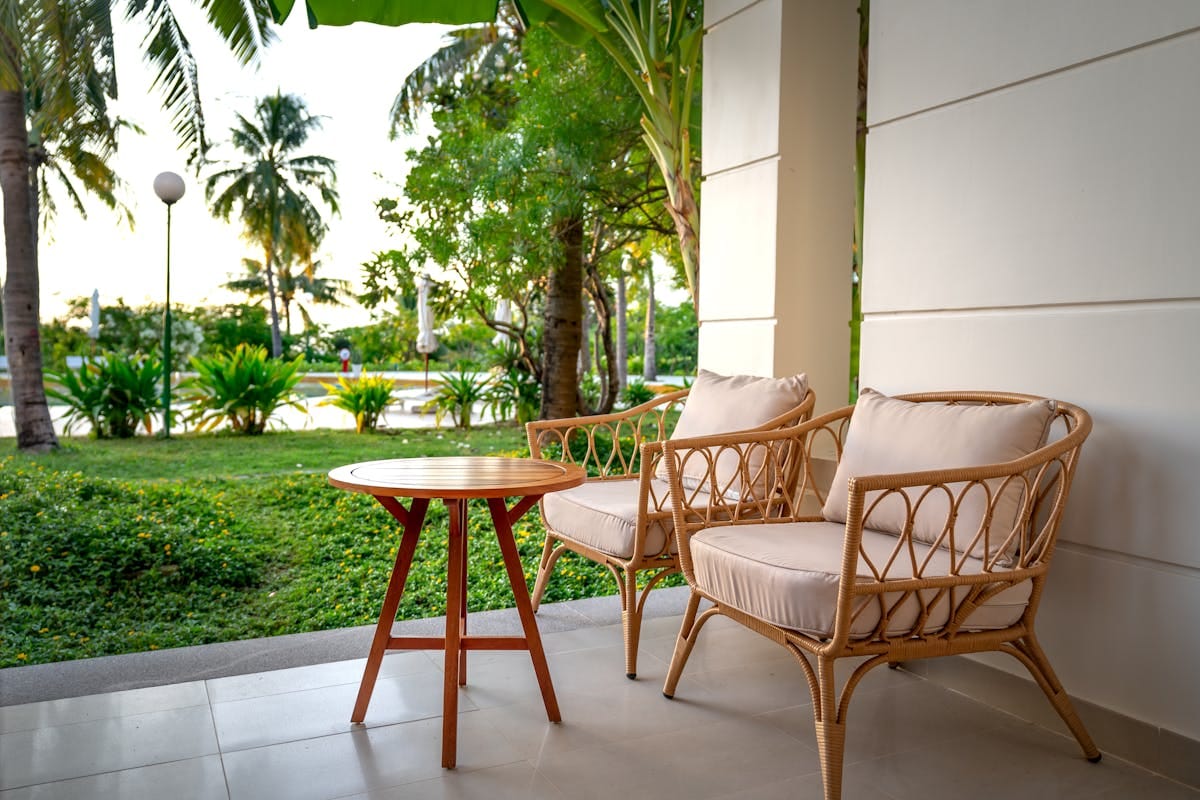
As parents it’s easy to forget what real downtime looks like for kids. Sitting on a pristine
Hawaiian beach while your children play in the sand might feel like a relaxed day — but
they’re running, chasing waves, and building castles. They’re not resting. Build
intentional downtime into each day, away from the sun and the activity. That might look
like reading on the balcony, watching a movie inside, or letting your kids do some drawing or arts and crafts. You know your kids best — think about what recharges them at home and try to give them a version of that each day.
Every big day should be followed by a quieter one. It’s easy to over-plan in Hawaii
because there’s so much to get excited about, but overtired kids will unravel the best-
laid itinerary. If you do the Road to Hana in Maui or drive from Kona to Volcanoes
National Park and back, the next day should feel closer to a normal day at home. Visit
the fruit market. Spend the morning at the beach and wander into town in the afternoon.
What it should not be is the day you’ve booked a six-hour catamaran snorkeling tour.
Space out your big days and you’ll have happier, more present kids — and a more
enjoyable trip for everyone.
Hawaii is one of those trips that earns its reputation. A little planning goes a long way
toward making sure your family actually gets to enjoy it.
More Hawaii Planning Guides
Where to Stay on the Big Island with Kids: Kona vs. Kohala Coast