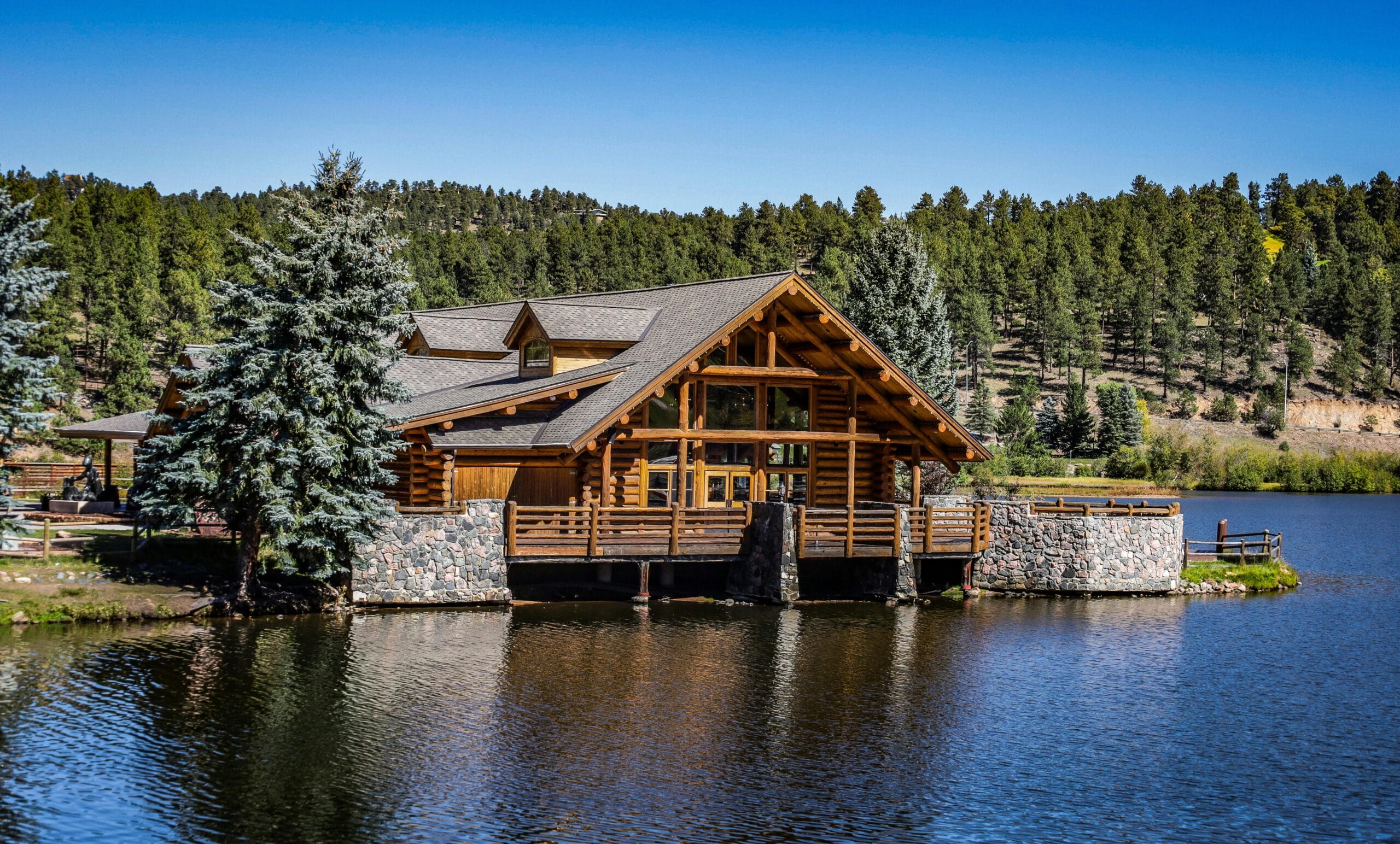
How to Choose a Lake Tahoe CAbin for Families: A Summer Guide
Morning coffee on the deck while the kids are still in pajamas. A kitchen for snacks between lake trips. Room to actually spread out when someone needs a break.
A cabin in Lake Tahoe gives families something hotels can’t: space to move at your own pace. If a younger child needs to nap, you’re home. If older kids want one more swim before dinner, they can—without packing up and checking out.
But not all cabins offer the same experience. Location, layout, and a few key features make a big difference once you arrive. If you’re wondering what to look for in a Lake Tahoe cabin for families, these are the details that actually make the trip work. Here’s what to look for when choosing a Lake Tahoe cabin for your family.
This post contains affiliate links; I may earn a commission at no extra cost to you. Full Disclosure
Which Lake Tahoe Cabin Style Fits Your Family?
Choose a Lakefront Cabin if:
- You want direct swim access
- Nap flexibility matters
- Your budget allows premium summer pricing
- You want your cabin to act as your full-day base
Choose a Private Dock Cabin if:
- You want swimming and paddling from your doorstep
- You’ll spend most days at the rental
- Your budget allows premium pricing
- Convenience matters more than exploring multiple beaches
Choose a Larger Inland Cabin if:
- Budget matters most
- You need multiple bedrooms
- You’re traveling with extended family
- You don’t mind a 10–15 minute drive to beaches
Choose a West Shore Classic Cabin if:
- You want traditional Tahoe cabin character
- Scenic surroundings matter
- You prefer quieter mornings
- Outdoor living space is a priority
Choosing your Base
Before looking at individual cabins, decide which part of the lake fits your trip. The differences between North Shore, South Shore, and West Shore show up in the small details—access to beaches, crowds, and how easy it is to get around.
North Shore
(Tahoe City, Kings Beach, Incline Village) tends to be quieter and more nature-focused, with easy access to trails and scenic shoreline.
North Shore Snapshot:
- Quieter atmosphere
- Better sandy beaches
- More nature-focused
- Higher grocery costs
- Car required
South Shore
(South Lake Tahoe, Stateline) is more built up, with a wider mix of beaches, restaurants, and activities.
South Shore Snapshot:
- More convenient
- More hotel alternatives
- Walkable zones
- More traffic
- Built-in entertainment
West Shore
Offers a middle ground—slower pace, classic cabin feel, and still within reach of both sides.
West Shore Snapshot:
- Classic Tahoe cabin feel
- Slower pace
- Scenic
- Balanced location
- Less commercialized
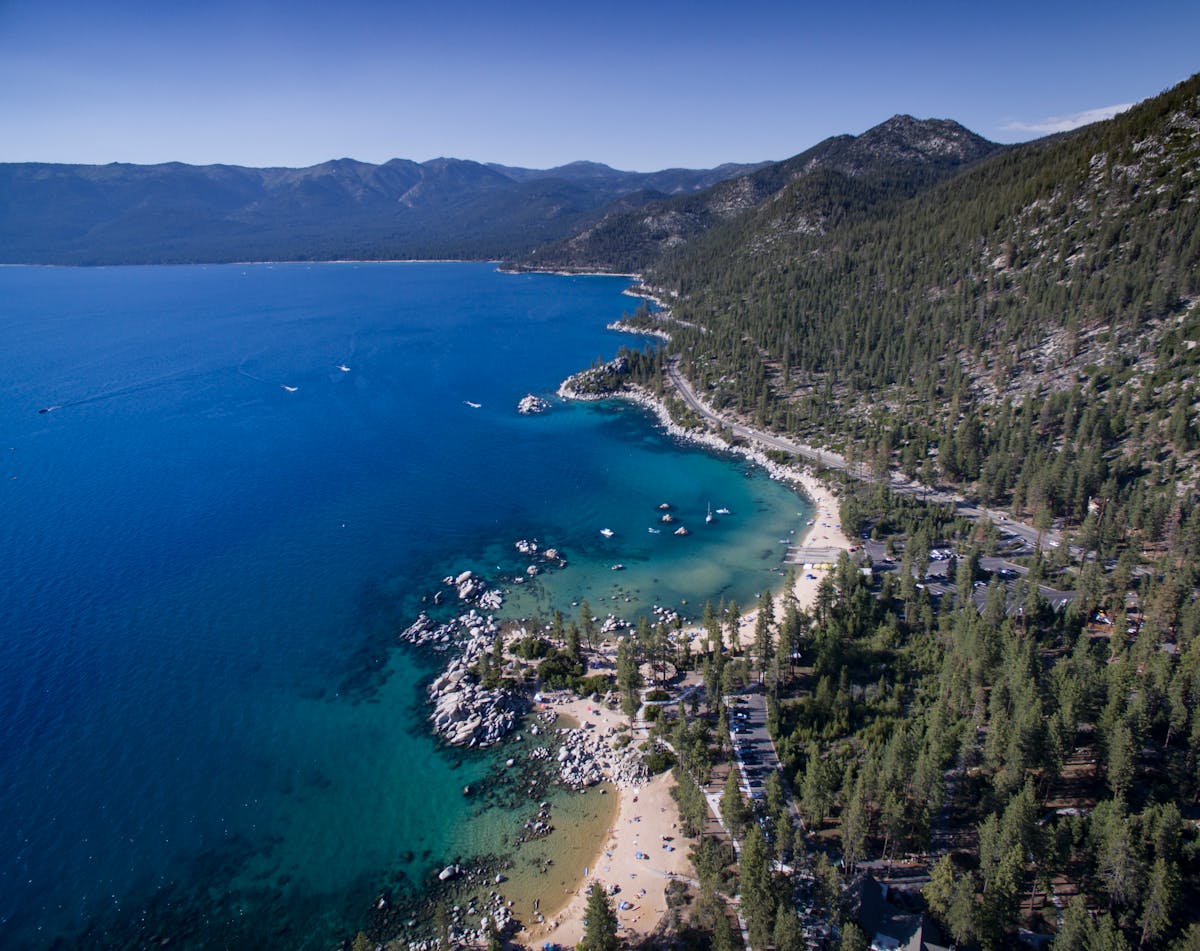
Staying close to where you’ll spend most of your time makes a noticeable difference—especially in summer when traffic and parking around beaches can add friction to the day. If your mornings include strolling the Lake Tahoe boardwalks or exploring accessible trails, staying on the North or West Shore puts you minutes away from the most scenic paths—and close enough to get back easily.
If you’re staying on the North Shore, look for cabins near TART Connect zones—a free, app-based shuttle that runs throughout the North Lake area. It makes getting to beaches much easier without needing to find (or pay for) parking.
If you’re still deciding between areas, I’ve broken down North Shore vs South Shore in more detail.
What to Look For in a Lake Tahoe Cabin for Families
Before booking, take a few minutes to focus on the details that tend to shape your actual experience once you arrive. A listing can look perfect in photos but still miss on the practical realities that matter most with kids.
Waterfront Access (and What Kind)
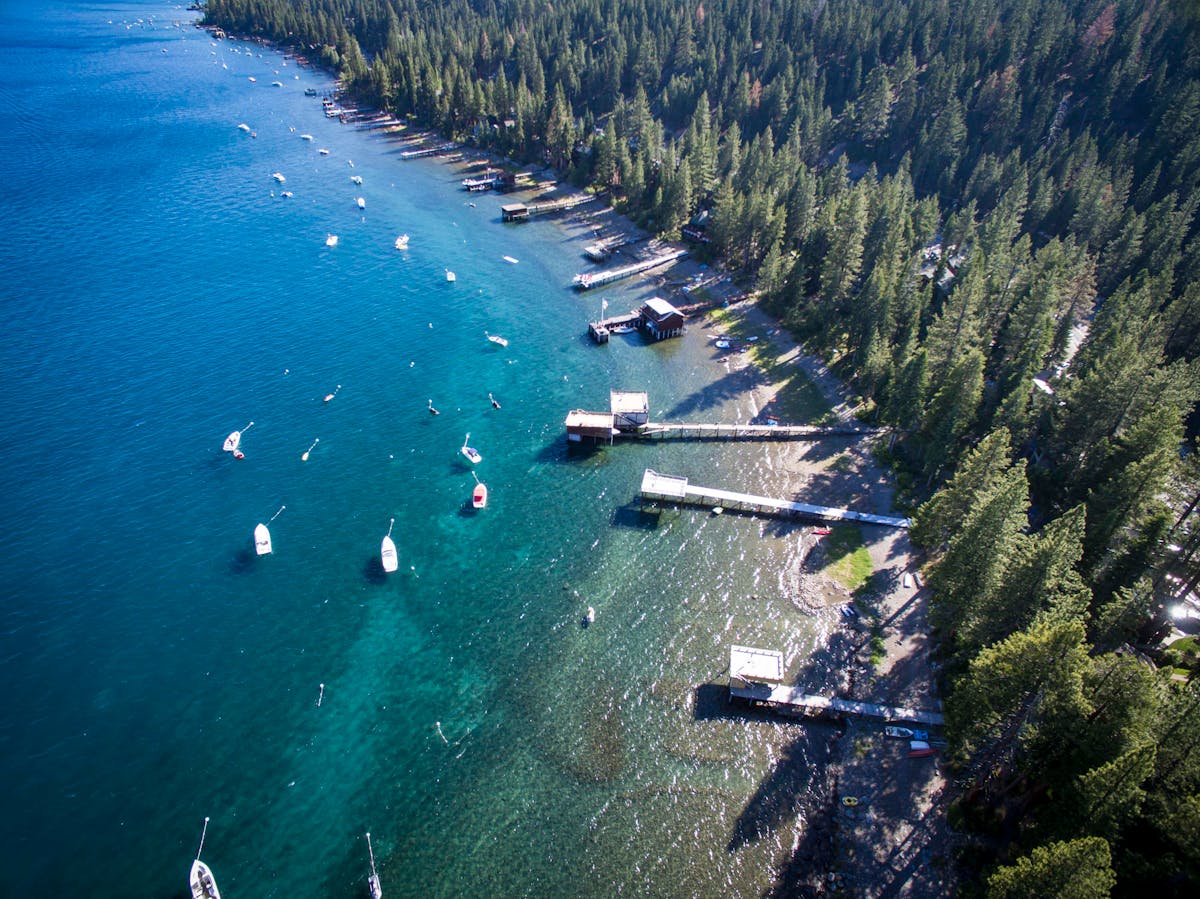
This is the single biggest factor in how your trip unfolds. Some cabins give you direct water access where the lake becomes your full-day base. Others require a walk or drive to reach the water—and with kids, that changes everything.
What you’re looking for:
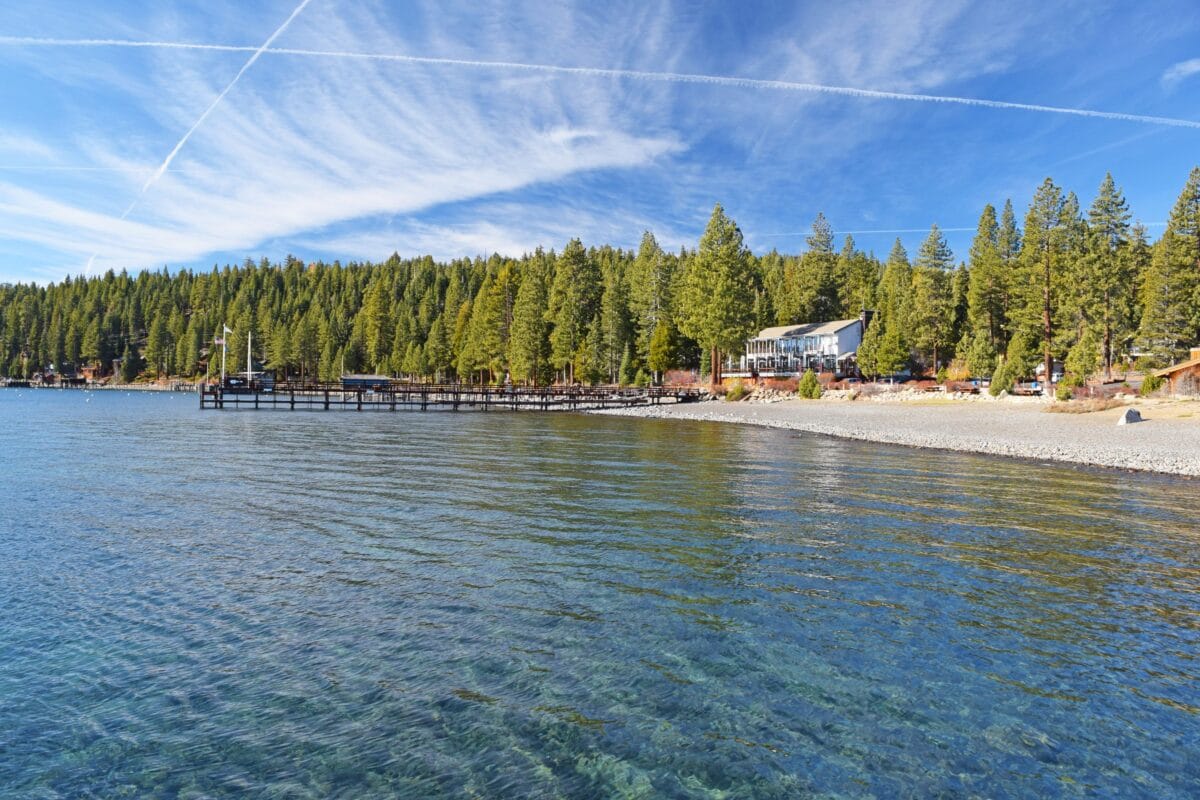
- Private dock = swim breaks, paddleboarding, and sitting by the water all day from your rental
- Shared dock = scheduled access or limited flexibility
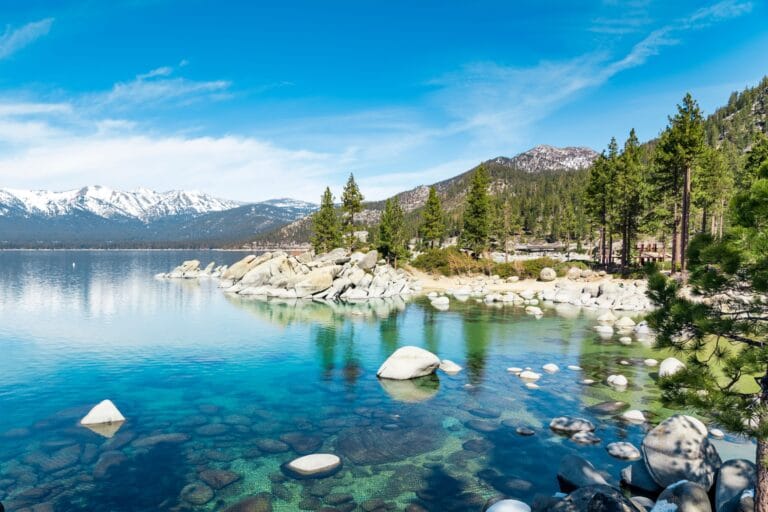
- Shoreline access = could be a small beach, rocks, or steps into the water
- “Lake view” = does NOT guarantee lake access — often means a walk or drive
In the photos:
- How close does the water actually look?
- Can you see a dock, beach area, or clear entry point?
- Does it look usable for a full day with kids, or just a quick visit?
One thing to keep in mind: Tahoe is an alpine lake, so even in July, the water stays cold. If you have younger kids, look for cabins in shallow coves—especially on the South or East shores—where the water warms up enough for comfortable splashing.
If your trip revolves around lake time, this is the most important decision you’ll make.
Parking + The Beach Timing Reality
Parking in Tahoe can quietly shape your mornings—especially in summer when beach lots fill early and some cabin driveways are tighter than they look in photos.
Pay attention to:
- Driveway slope and width (Tahoe driveways can be steep or narrow)
- Space to turn around if you’re driving a larger vehicle
- Distance to popular beaches if you’re not staying lakefront
The 10:00 AM Rule: Tahoe’s most popular beaches and boardwalks see their parking lots fill by 10:00 AM in summer. If you’re not staying lakefront, being close enough to beat the crowds makes a noticeable difference.
Layout for Your Family
Flow and bedroom placement can make a bigger difference than you’d expect—especially with younger kids who wake early or need help at night.
Key things to notice:
- Are bedrooms on the same level or spread across floors?
- Does the layout feel open enough for kids to move around?
- Will the flow work for your family’s rhythm?
Occupancy tip: If a cabin looks perfect but seems one person over the limit, ask about local child exemption rules. South Lake Tahoe excludes children 13 and under, Placer County (North Shore) excludes children under 12, and El Dorado County often excludes children 5 and under.
Outdoor Living Space
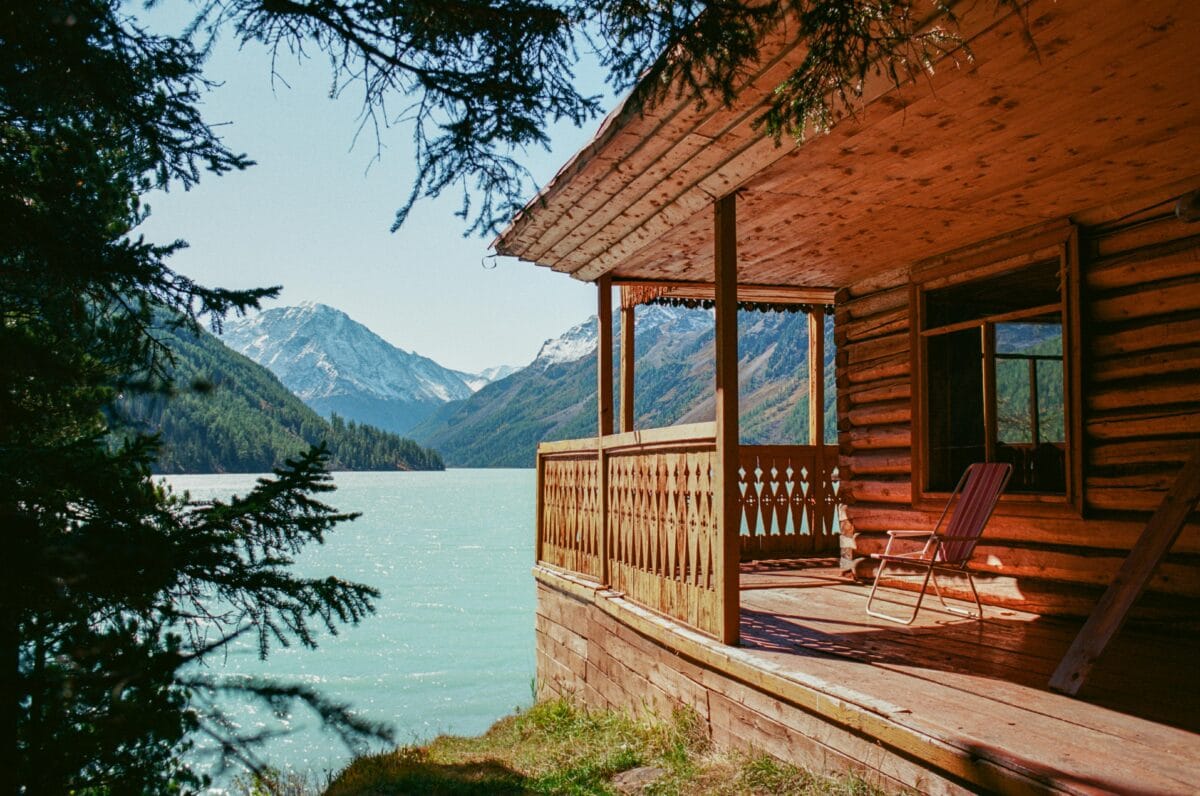
Decks and lakeside seating often matter more than interior square footage. This is where you’ll spend evenings and slow mornings.
What matters most:
- Is there a shaded deck or patio?
- Does the outdoor setup feel usable for meals or watching the kids play?
A few minutes here usually helps you avoid the handful of listings that don’t quite match what the photos suggest.
Air Conditioning
Many Tahoe cabins don’t have AC—the altitude usually keeps things cool, but mid-summer afternoons can get warm, especially on the South Shore.
Worth checking if:
- You’re traveling in July or August with younger kids
- Wildfire smoke is a concern (box fans or air purifiers help)
Screening the Listing
Reviews and photos tell you whether a cabin matches its description—and in Tahoe, where driveways can be steep and “lakefront” doesn’t always mean what you think, this step matters.
A few quick things to check before booking:
- Read recent reviews for cleanliness, maintenance, and accuracy
- Look at exterior photos for driveway slope and parking space
- Check for “paved road” if you’re arriving after dark
- Notice where the bear box is located (bottom of stairs = daily trek with trash)
Booking Window
Summer is peak season. The most desirable cabins—especially lakefront—are often booked 3 to 9 months in advance. Starting early gives you far more choice and flexibility.
If you’re planning out your days, I’ve put together a guide to Lake Tahoe with kids that covers beaches, trails, and activities that work really well for families.
If a Lakefront Cabin Isn’t the Right Fit
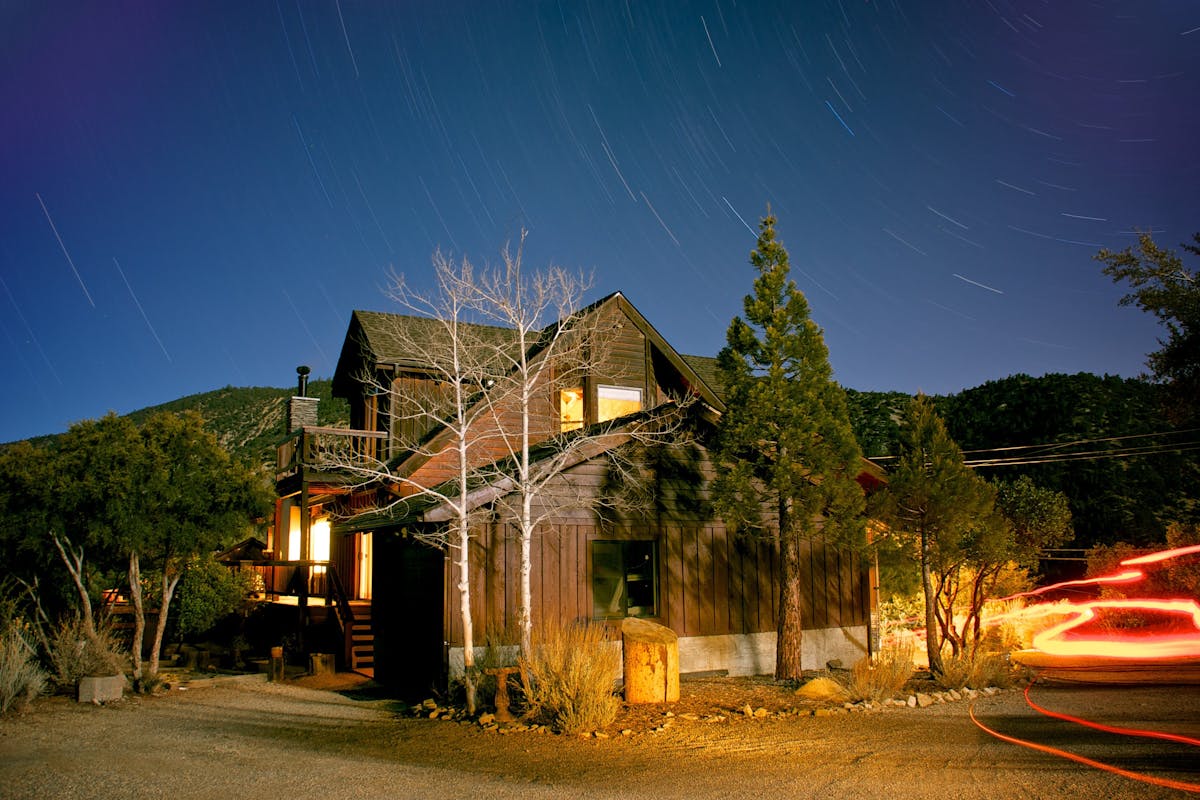
Not every family needs a lakefront cabin to have a great Lake Tahoe trip.
Lakefront cabins in summer typically run $800 to $1,500 per night for mid-range options—40 to 60 percent more than cabins set back from the water. The difference in your day can be worth it, but it’s not the only way to make the trip work.
Budget Reality:
- Lakefront: Premium pricing, easiest access, highest convenience
- Walk-to-Lake: Better balance of cost + location
- Inland: Maximum savings + more square footage
There are plenty of cabins that still offer a similar feel: homes a short walk to the lake, properties with shared beach access, or cabins near quieter shoreline areas where you can come and go more easily. You still get the slower pace, just with a bit more movement built into the day.
When browsing, look for filters or keywords like “lake access,” “waterfront,” or “walk to beach” to find these options more easily. Some North Shore cabins offer private beach access through an HOA—the beach is usually quieter, but there’s often a daily per-person entry fee ($15–$20). Worth factoring into your budget if you’re not staying directly on the water.
If you’ve narrowed it down but still feel unsure, a quick message to the host can make the decision much clearer.
Here’s one you can copy and adjust:
Hi! We’re planning a family stay and your cabin looks like a great fit. I just had a few quick questions before booking:
– Is the road to the cabin paved and easy to access?
– How is the driveway for parking (especially with an SUV)?
– Is the lake access directly from the property? If so, is it a dock, beach, or steps?
– If there’s a dock, is it private or shared?
– If there’s no dock, how easy is it for kids to get in and out of the water?
– How far is the walk to the water if it’s not directly on the property?
– Are there any paddleboards or kayaks included, or available nearby?
– Are the bedrooms on the same level or spread across floors?
– Does the cabin have air conditioning?
Thanks so much—we really appreciate your help.
Most hosts respond quickly, and the answers usually make it clear which option will feel the easiest and most comfortable for your family.
Best Cabin Type by Family Style
Once you understand your budget and shore preference, the easiest way to narrow things down is to match your cabin to how your family actually travels—not just how many people you have.
Toddlers & Young Kids
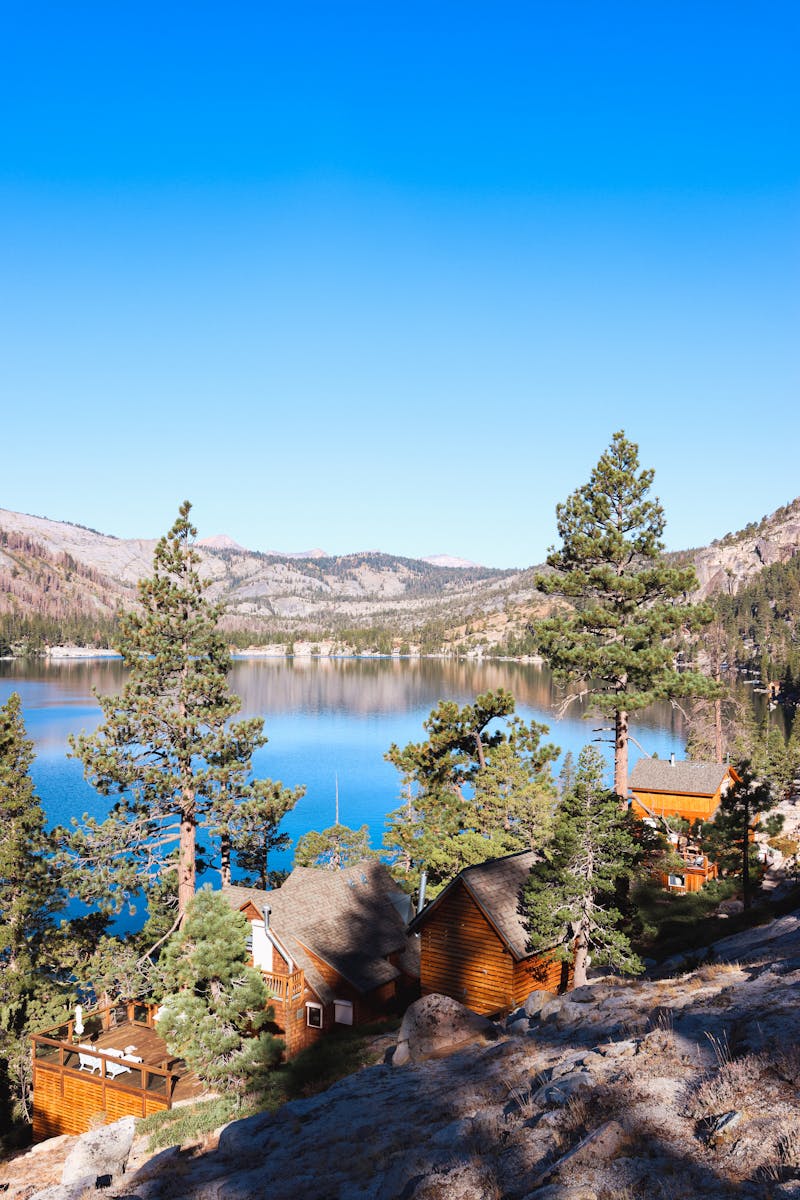
Short distances matter more than anything. Easy lake access, fewer stairs, and simple in-and-out beach days make the biggest difference. Look for walkable Kings Beach-style cabins or shallow cove shoreline access.
Elementary Age
This is the “beach + exploring” stage. You want flexibility—not being tied to one spot all day. West Shore cabins or mid-lake access areas tend to work well.
Teens
Independence starts to matter. Walkable areas, nearby activities, and built-in entertainment become more important than beach proximity alone. South Shore and Stateline-area cabins tend to fit best.
Budget-Focused Families
Space, value, and comfort matter more than being steps from the lake. You’re optimizing for longer stays or bigger groups. Inland cabins and larger multi-bedroom homes offer the best value per night.
Luxury & Multigenerational
These trips are about shared time, not logistics. Comfort, views, and ease of staying in one place matter most. Incline Village or private dock properties are the most common choice.
The easiest way to choose is simple: don’t start with the cabin—start with how you want your days to feel. Once that’s clear, the right listing usually becomes obvious.
The easiest way to choose is simple: don’t start with the cabin—start with how you want your days to feel. Once that’s clear, the right listing usually becomes obvious.
Finding the right Lake Tahoe cabin is the difference between a trip that feels rushed and one where you can actually settle in. Start with your cabin type, choose your shore, narrow down by what matters most, and book early—summer fills up fast.
More Lake Tahoe Planning Guides
27 Best Things to Do in Lake Tahoe with Kids (Beaches, Hikes & Easy Family Activities)
North vs. South Lake Tahoe: Where to Stay with Kids (Summer Guide)