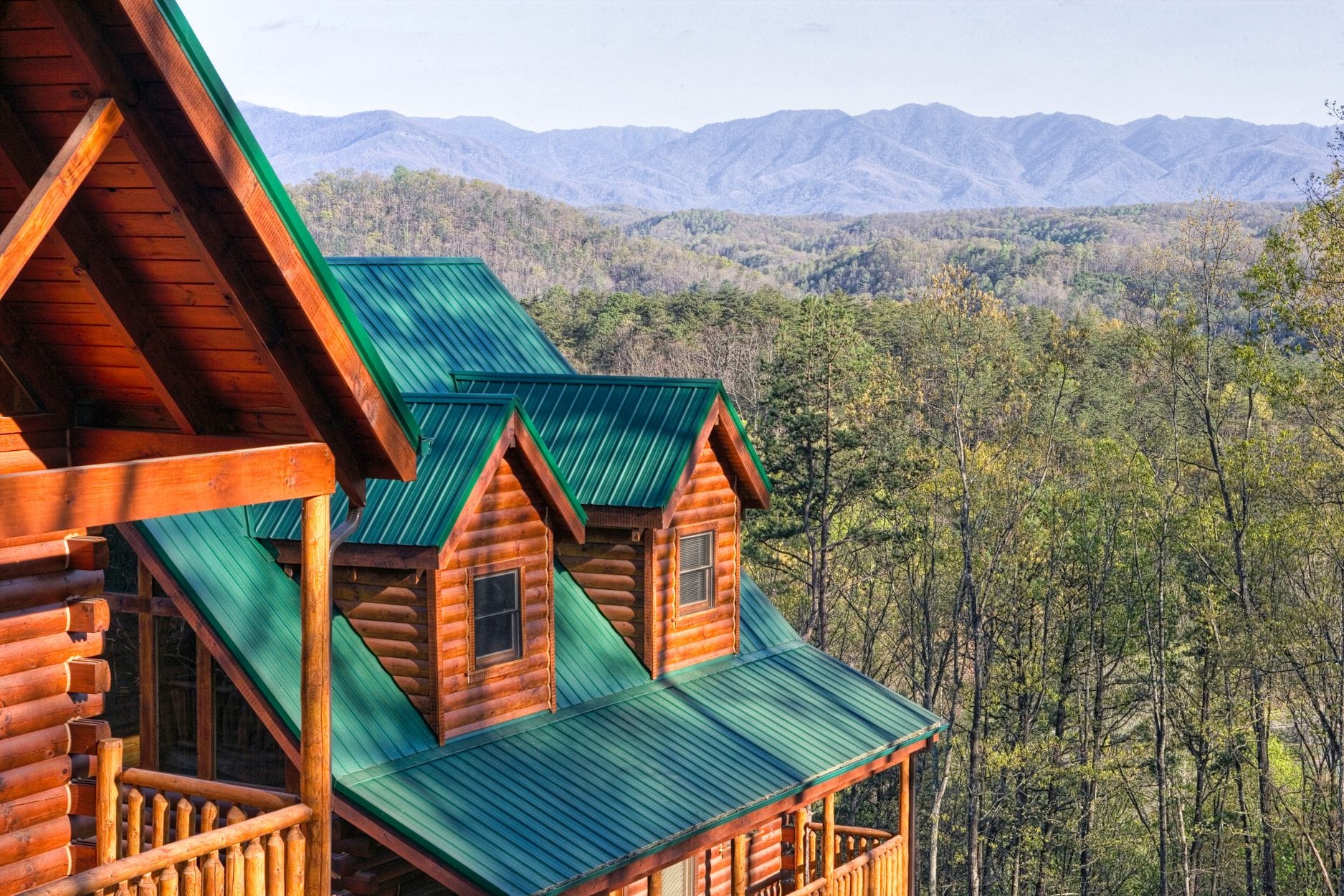
Smoky Mountain Cabins: How to Choose the Right One for Families
Dinner around the table instead of a restaurant booth. Board games by the fireplace after a long hike. Mornings that start slow, with no lobby to navigate or checkout time hovering.
A cabin in the Smoky Mountains gives families room to actually settle in. If someone needs a midday break, you’re home. If the day runs long and kids are too tired for one more stop, you don’t have to push through—you can just go back.
But not all cabins offer the same experience. The road in, the layout, and a few practical details make a big difference once you arrive. Here’s what to look for when choosing a Smoky Mountain cabin for your family.
This post contains affiliate links; I may earn a commission at no extra cost to you. Full Disclosure
Which Smoky Mountain Cabin Style Fits Your Family?
Choose this cabin style if:
Easy-Access Cabin
- Toddlers or young kids
- Arriving after dark
- Steep mountain roads make you nervous
- You want minimal stress getting in and out
Ridge-View Cabin
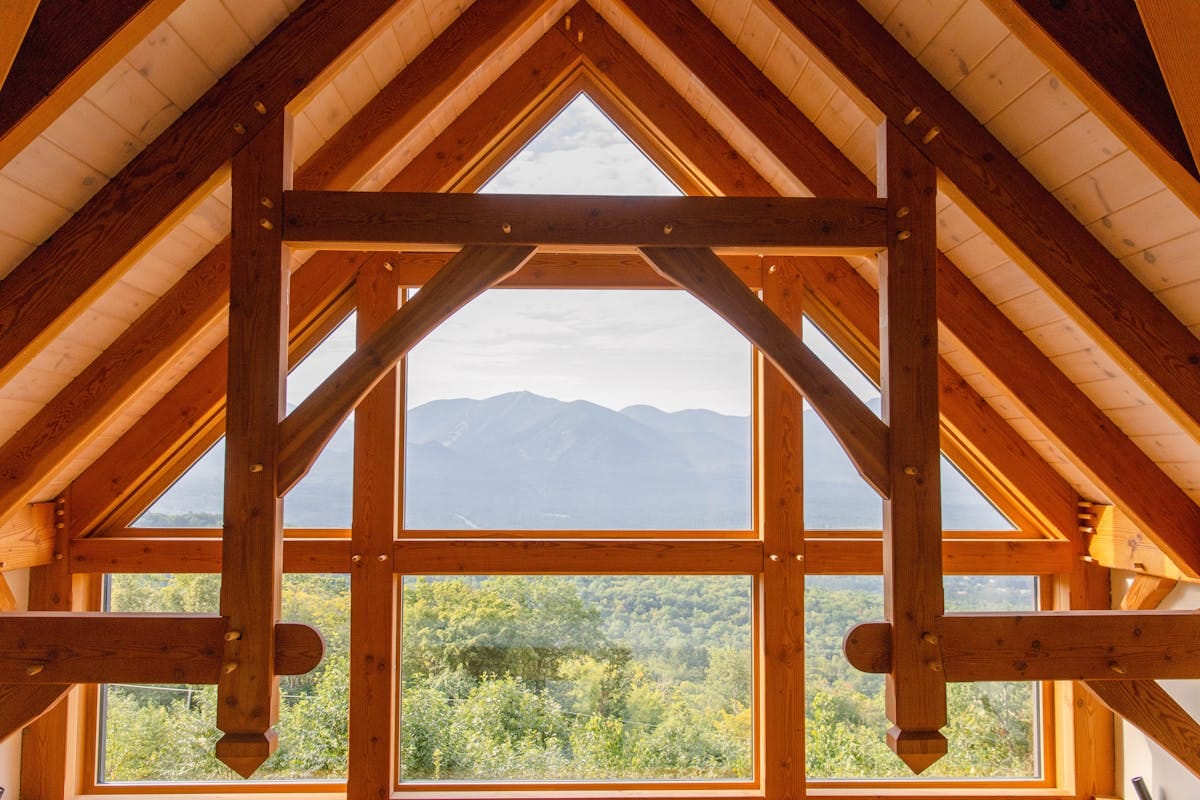
- Stunning views are your priority
- Comfortable with mountain driving
- Kids are older (no crawlers managing stairs)
- You don’t mind vertical cabin layouts
Larger Multi-Level Cabin
- Traveling with extended family
- Need separate spaces for different age groups
- Budget matters more than convenience
- Game room is essential
Wears Valley / Townsend Cabin
- Peace and quiet over proximity to attractions
- Scenic drives matter more than Dollywood access
- Prefer fewer tourists and slower pace
- Okay with longer drives to Gatlinburg
Choosing Your Base
The area you pick as your base can save you a lot of time—or add a lot of driving. In the Smokies, 10 miles can take 40 minutes during peak times.
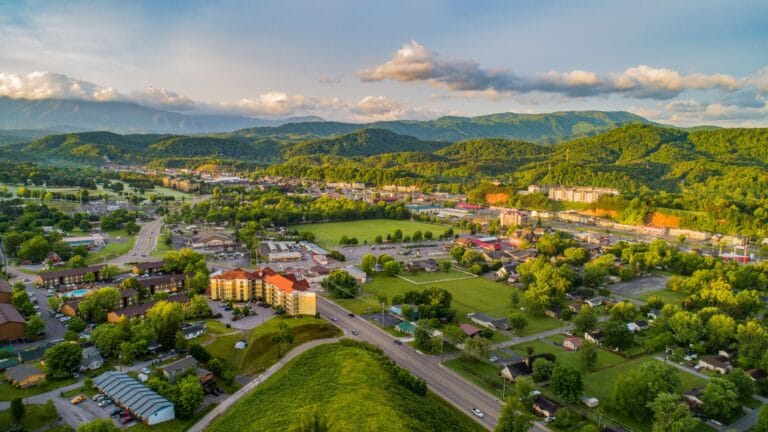
Pigeon Forge — easiest access to attractions, flatter terrain, but heavier tourist traffic and drive-through congestion to reach the park.
Gatlinburg — closest to park entrances with dramatic ridge views, but steeper roads and more complex cabin access.
Wears Valley / Townsend — quiet, scenic, and slower-paced with easier cabin access but longer drives to major attractions. There’s also a lesser-known park entrance at Metcalf Bottoms that bypasses the Gatlinburg bottleneck.
If you’re traveling with younger kids or arriving late, staying closer to main roads and flatter terrain tends to make things feel much smoother overall.
If you’re still deciding between areas, I’ve broken down Gatlinburg vs. Pigeon Forge in more detail.
When to Go: Choosing Your Season
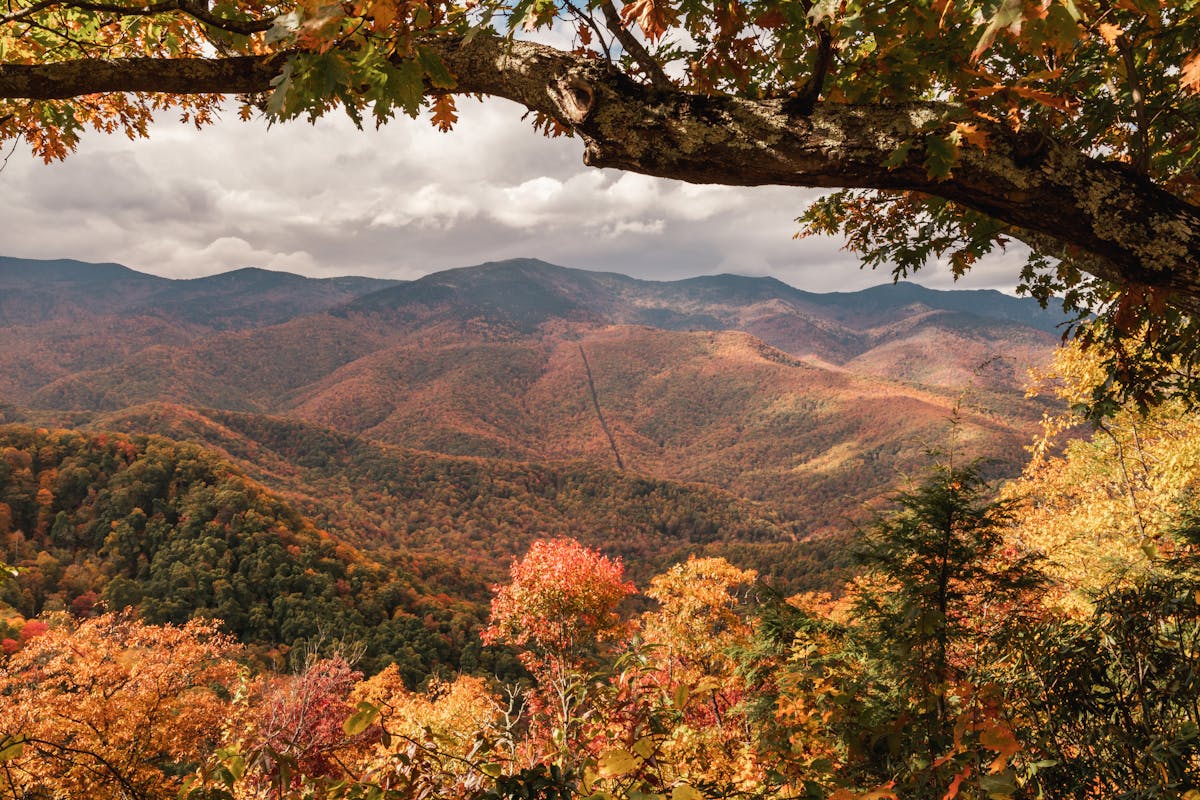
The Smoky Mountains feel different depending on when you visit—and timing affects everything from road conditions to cabin pricing to what your days will actually look like.
Spring (March–May)
Wildflowers bloom and waterfalls run strong, but weather is unpredictable. You might get 70-degree sunshine or sudden thunderstorms in the same weekend. Roads are generally clear, crowds are moderate, and cabin prices haven’t hit summer peaks yet.
Best for: Families who want lower prices, don’t mind rain backup plans, and enjoy waterfall hikes.
Summer (June–August)
Peak season—warm weather, full park access, and highest cabin demand. Expect humidity, afternoon thunderstorms, and the heaviest traffic around Gatlinburg and Pigeon Forge. Cabin prices are at their highest, and popular spots book months in advance.
Best for: Families with school-age kids on summer break who want guaranteed warm weather and don’t mind crowds.
Fall (September–October)
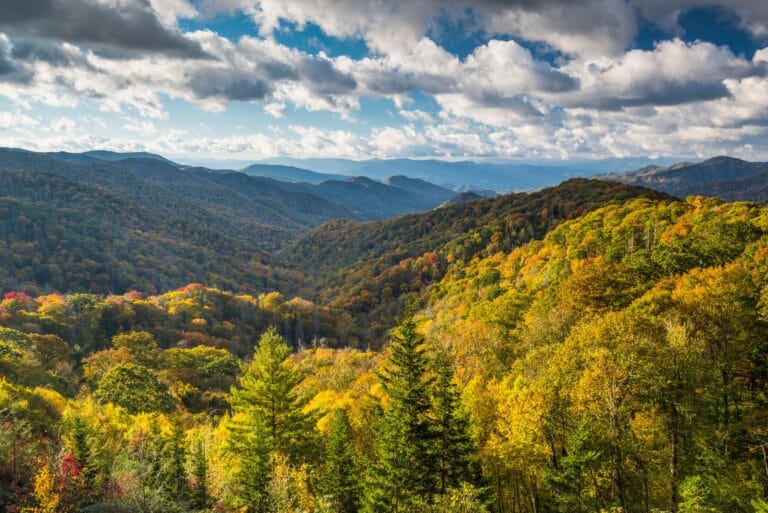
The most popular season—cooler temperatures, stunning fall colors (peak mid-October), and comfortable hiking weather. This is also the most expensive and crowded time. Roads into ridge cabins can get congested on weekends.
Best for: Families who prioritize scenic beauty and can book early (3–6 months out).
Winter (November–February)
The quietest season with lowest prices and fewest crowds. Many cabins feel especially cozy with fireplaces and hot tubs, but mountain roads can be icy or snow-covered. Some higher-elevation cabins may be difficult to access after storms.
Best for: Families comfortable with winter driving who want peace, lower costs, and a true mountain retreat feeling.
If you only have one week to choose: Late September or early June tend to offer the best balance of weather, accessibility, and moderate pricing.
What to Check Before You Book
Before booking, take a few minutes to focus on the details that tend to shape your actual experience once you arrive. A listing can look perfect in photos but still miss on the practical realities that matter most with families.
Driveway and road Access Reality (Road, Driveway & Layout)
This is the single biggest factor in how your Smoky Mountain trip unfolds. Road access and cabin layout determine most of your daily hassle—especially steep driveways, tight parking, and multi-level interiors with stairs.
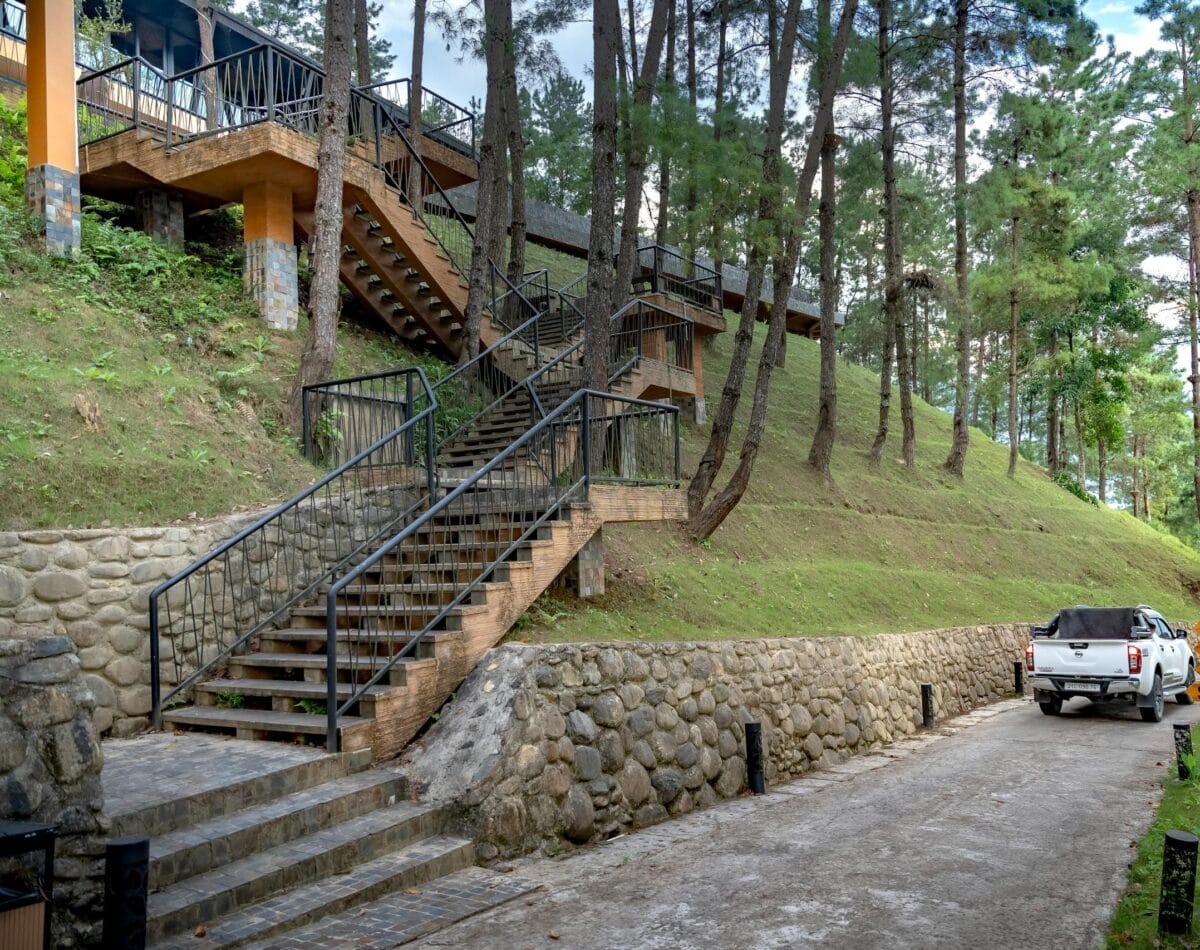
Many cabins sit on steep ridges with winding mountain roads and sharply angled driveways. With kids, luggage, and groceries, that changes everything about your daily routine. Inside, cabins are often three stories with bedrooms spread across different levels and 20 to 30 steps from parking to the front door.
What you’re looking for:
- Paved road access = all-weather reliability, especially important if arriving at night or in rain
- Flat or gentle driveway = stress-free parking, easier gear loading
- “Easy access” in listing = host acknowledges accessibility
- Exterior photos showing parking = you can see actual slope and turnaround space
- Steps from parking to entrance = check exterior photos carefully for stair count
- Bedroom layout = same level vs. spread across floors
- Main-floor living option = essential for toddlers or mobility concerns
In the photos:
- Can you see the driveway clearly, or is it hidden?
- Does the parking area look flat, or is there a steep incline?
- Is there room to turn around?
- How many steps are visible from parking to front door?
One thing to keep in mind: Many Gatlinburg ridge cabins have stunning views but require navigating steep, winding roads. If you’re uncomfortable with mountain driving or have younger kids who get carsick, prioritize access over elevation. Pigeon Forge and lower Wears Valley tend to have easier terrain.
If you have young kids, look for “ranch-style” or “main floor living” to avoid spending your vacation managing stairs and hauling gear up and down multiple levels.
If smooth daily arrivals and departures matter more than ridge views, this is the most important decision you’ll make.
Mountain Living Realities
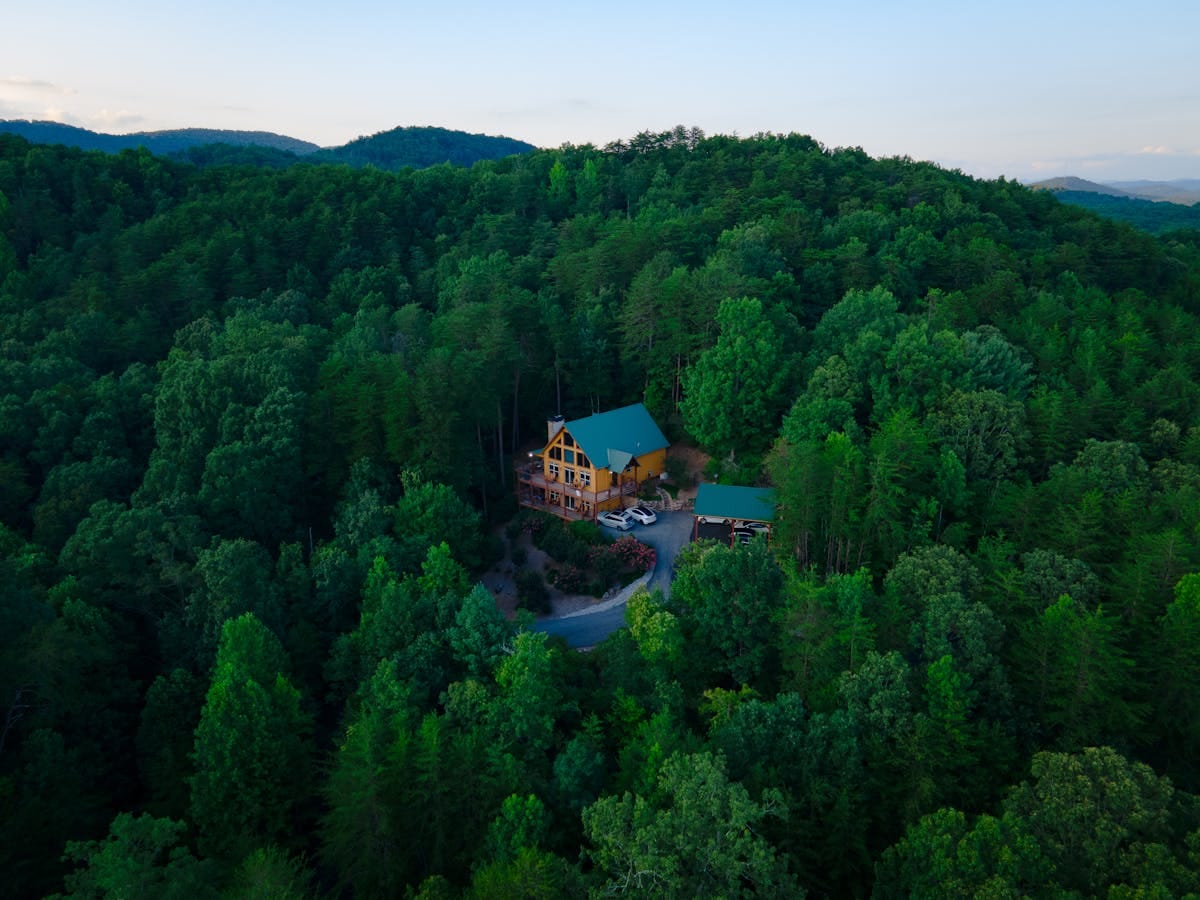
In the Smokies, expect real mountain living: bear activity, variable WiFi, and views that range from year-round panoramas to seasonal foliage-only visibility depending on elevation.
Bear safety: The Smokies are active bear country. Look for bear-proof trash bins in photos or descriptions. If the listing mentions “wildlife visitors,” keep car doors locked and food secured.
View accuracy: Not all “mountain views” are equal. “Seasonal view” means you’ll only see mountains when leaves are off (late fall through early spring). “Unobstructed view” means year-round visibility. “Wooded lot” means private and shaded, but no panoramic views.
Wi-Fi reliability: In remote areas like Pittman Center or deep Wears Valley, Wi-Fi can be satellite-based and very slow. If you need to download trail maps, work remotely, or stream movies on rainy afternoons, look for “high-speed” or “fiber” in the description.
Rainy day space: The Smokies see frequent rain—game rooms or covered decks make a big difference when outdoor plans change.
Reliability Check (Recent Reviews)
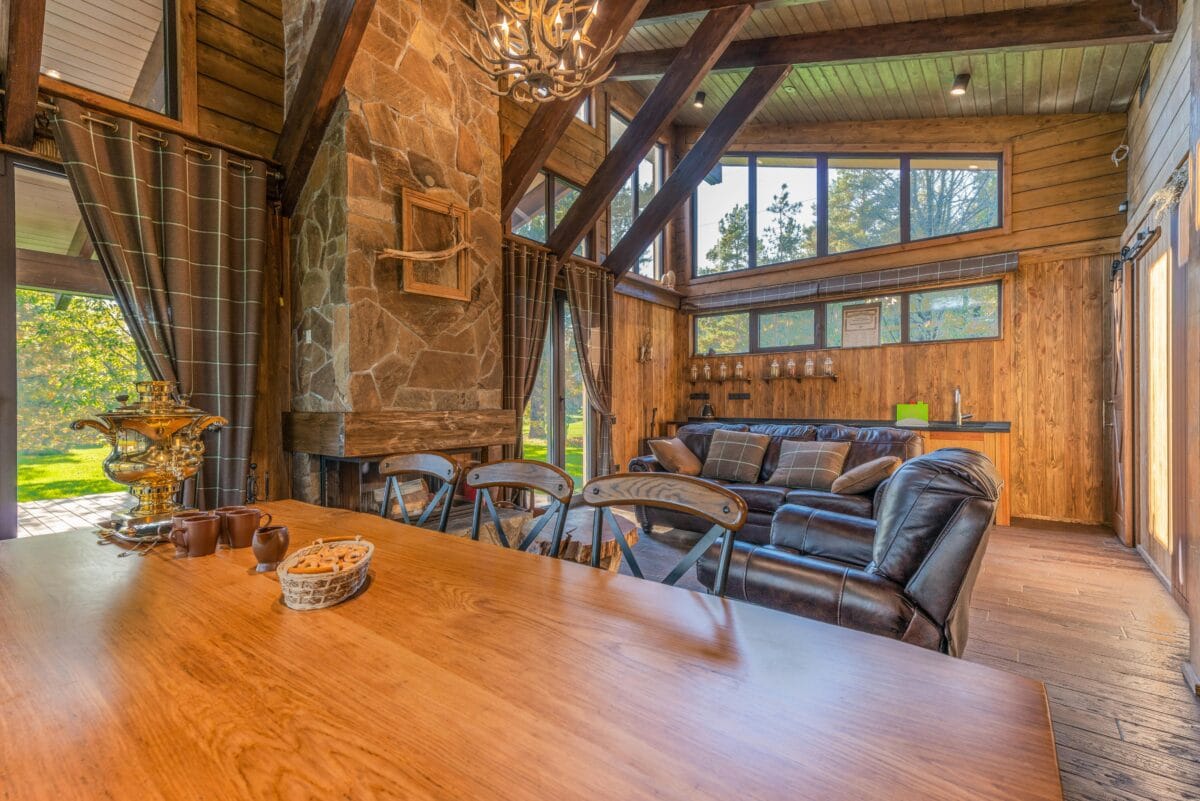
Recent reviews reveal the most accurate picture of road conditions, WiFi reliability, and hot tub maintenance. In the Smokies, hot tub problems and spotty WiFi are the two most common complaints. Also look for mentions of “steep drive,” “cell service,” or “road conditions”—these tend to show up in recent reviews first.
A few minutes here usually helps you avoid the handful of listings that don’t quite match what the photos suggest.
If you’re planning out your days, I’ve put together a guide to rivers, trails, and scenic drives in the Smoky Mountains that work really well for families.
What to Know Before You Book
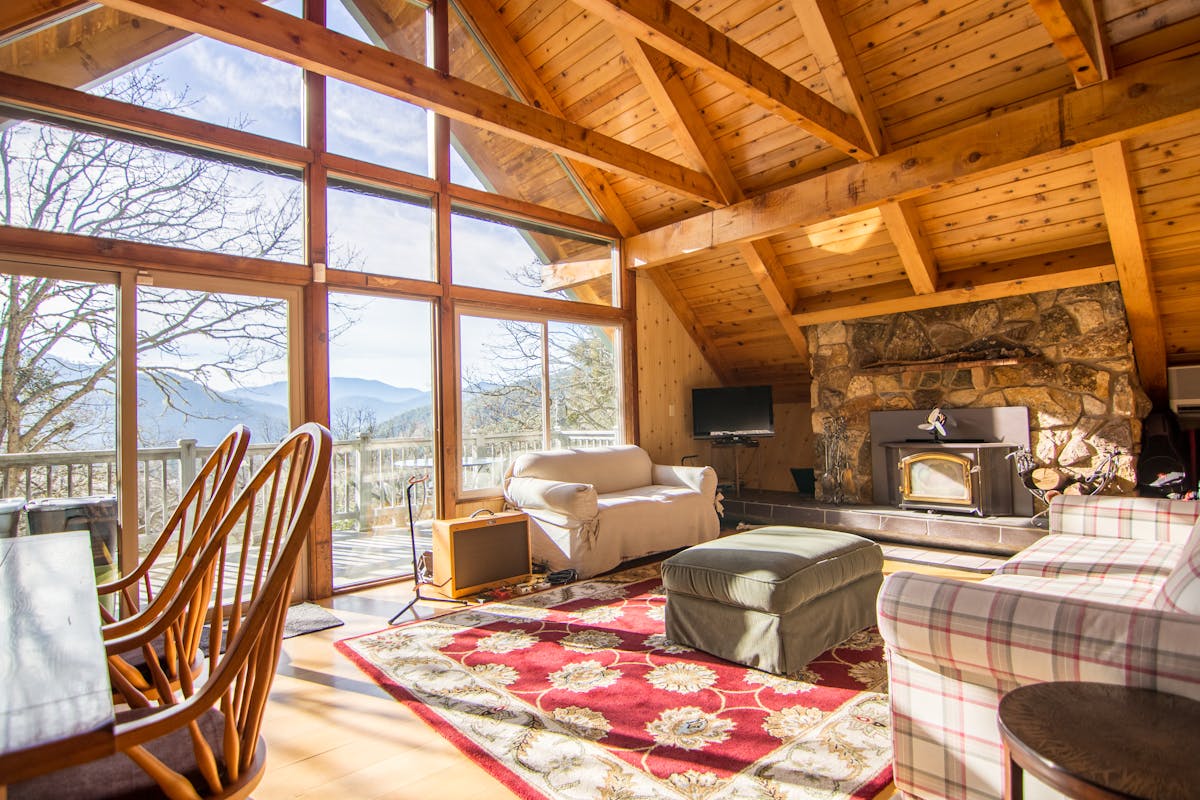
A few realities about Smoky Mountain cabins that aren’t always clear from the listings—but make a noticeable difference once you arrive.
Ridge cabins aren’t always close to town.
That stunning view often comes with 20–30 minutes of winding mountain driving to reach Gatlinburg or Pigeon Forge. If you’re planning multiple daily trips to attractions, factor in the drive time—and the reality that kids may get restless on curvy mountain roads.
A 25-step climb with groceries feels very different than it looks in photos.
Many families wish they’d prioritized flat access over extra square footage.
Photos can be misleading.
Wide-angle lenses make driveways look flatter and rooms look bigger than they are. If the listing shows only interior shots or one carefully angled exterior photo, that’s often a sign the approach or parking situation is trickier than it appears.
WiFi and cell service aren’t guaranteed.
Even cabins that advertise WiFi may have slow or unreliable connections, especially in more remote areas. If you need to work, download maps, or keep kids entertained on rainy days, confirm the speed and reliability with the host before booking.
View vs. access is a real trade-off.
The cabins with the best views are almost always the hardest to reach. If you’re deciding between a stunning ridge cabin and an easier-access option with partial views, think honestly about your comfort level with mountain driving—especially at night or in bad weather.
None of this means you should avoid ridge cabins or remote locations. It just means knowing what you’re choosing makes the trip feel smoother when you get there.
Booking Window
Peak season runs late spring through fall, especially October for leaf colors. The best cabins—especially those with easy access and great views—book 3 to 6 months in advance.
Starting early gives you far more choice, better pricing, and less stress finding the right fit.
If Staying Close to Gatlinburg Isn’t Right for your Family
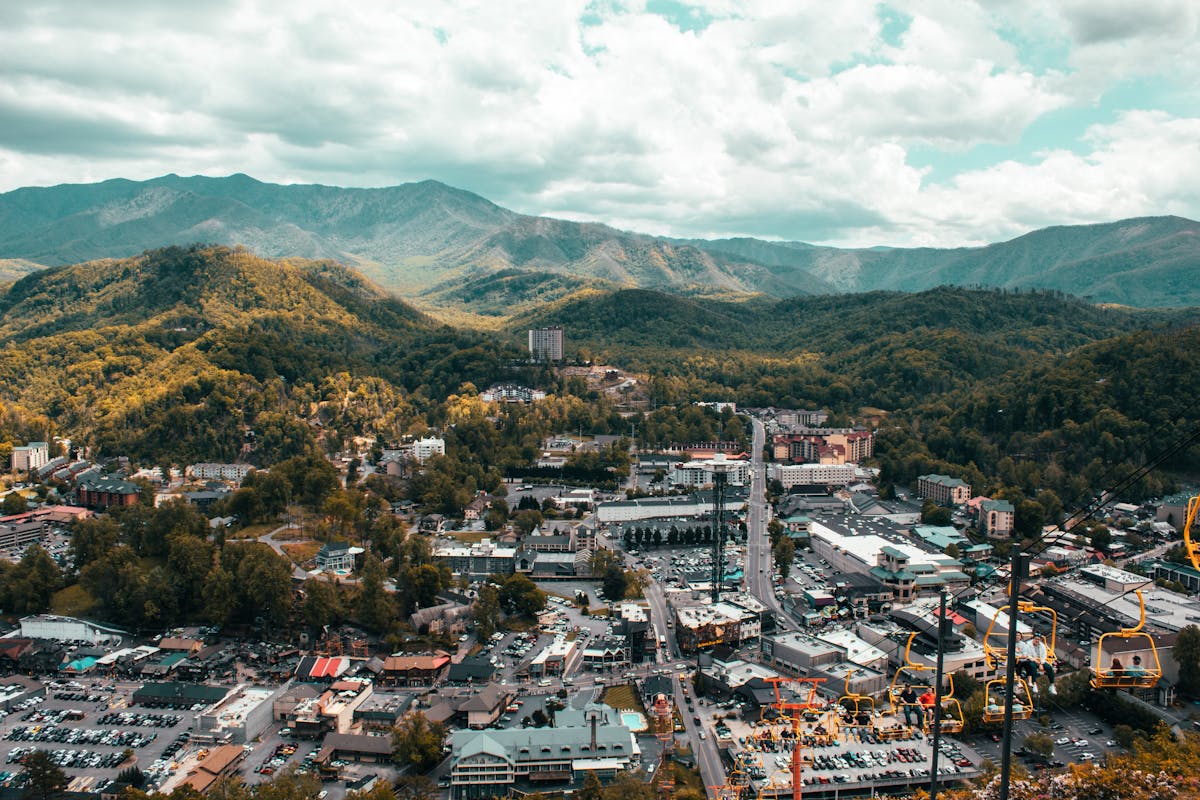
Not every family needs a cabin in the middle of the action to have a great Smoky Mountains trip.
One surprise for many visitors: the best value cabins are often not the closest ones.
In the Smokies, pricing is shaped less by access and more by location and demand. Cabins closest to Gatlinburg, Pigeon Forge, and major ridge viewpoints tend to sit at the top of the price range—not because they’re easier to get to, but because they’re closest to everything and often come with the most dramatic views.
What actually drives price in the Smokies:
- Prime location (Gatlinburg / ridge areas) → highest demand, highest pricing
- Scenic ridge views or unique settings → premium tier even with steep access
- Wears Valley / Townsend cabins → more space, quieter setting, better value
- Standard cabins farther from attractions → most budget-friendly range
What this means in practice:
A cabin 20–30 minutes outside Gatlinburg can feel completely different in pace and price—but still give you the same mountain experience. You’re trading proximity for space, quiet mornings, and more breathing room in your budget.
Many families actually prefer this once they arrive. Less traffic, fewer crowds, and more flexibility with kids’ schedules tend to outweigh being close to the Parkway.
And importantly: easier access cabins are not automatically more expensive. A simple, well-located cabin in Wears Valley can cost less than a steep ridge cabin with a view.
The real decision comes down to this:
- Do you want to step out into the action quickly (Gatlinburg / Pigeon Forge)?
- Or do you want a slower base with more space and better value (Wears Valley / Townsend)?
Once you answer that, the right cabin usually becomes much easier to spot.
The Final Booking Filter: Questions to Ask Before You Reserve
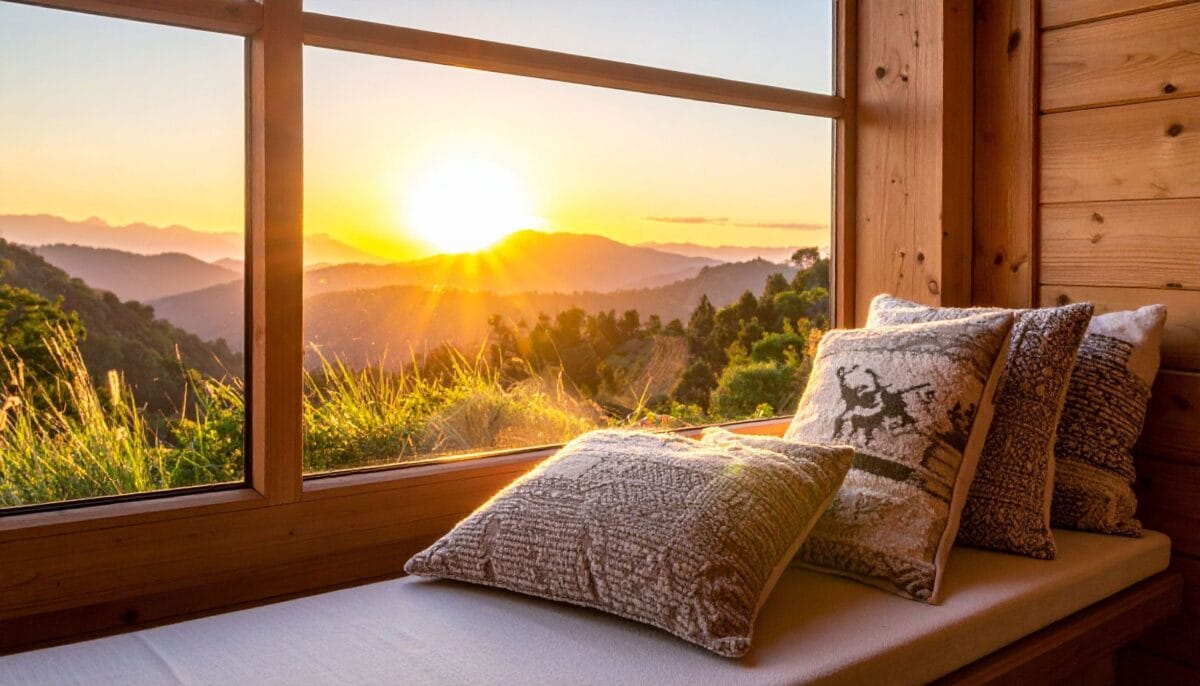
If you’ve narrowed it down to a few finalists but still feel unsure, a quick message to the host can make the decision much clearer.
Here’s one you can copy and adjust:
Hi! We’re planning a family trip and your cabin looks like a great fit. I have a few quick questions before booking:
– Is the road to the cabin paved and relatively easy to access?
– How is the driveway for parking, especially with a standard SUV? Is it steep, or is there a flat spot?
– Are there steps from the parking area to the front door? If so, how many?
– Are the bedrooms on the same level, or spread across floors?
– Is the Wi-Fi reliable enough for streaming or downloading maps?
– Do you have a bear-proof trash bin on-site?
– Are things like the hot tub generally reliable?
Really appreciate your help!
Most hosts respond quickly, and the answers usually make it clear which option will feel the easiest overall.
Best Cabin Type by Family Style
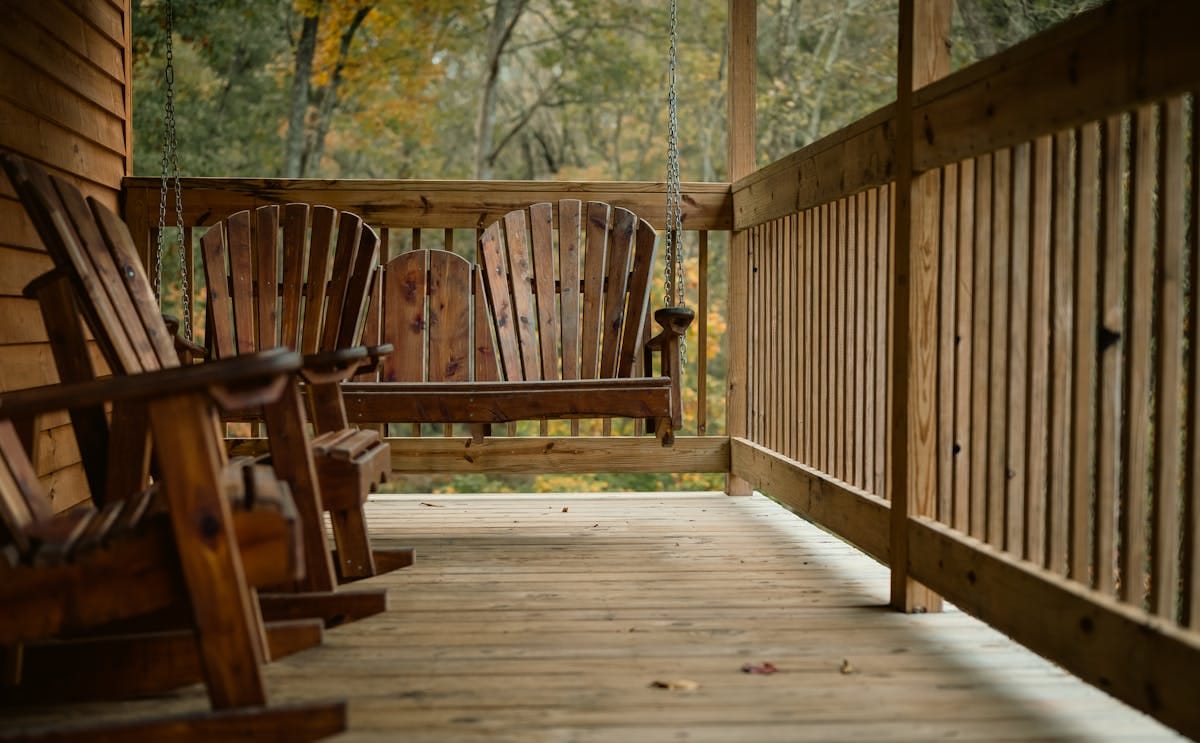
Once you understand your timing, base area, and budget range, the decision usually gets simpler: it’s less about who you are traveling with and more about how you want your days to feel in the Smokies.
Close to the action (Gatlinburg / Pigeon Forge)
- Pop in and out of restaurants and attractions easily
- Spend less time planning drives
- Keep activities flexible throughout the day
- Stay close to Dollywood, the Parkway, or park entrance
Space, quiet, and slower mornings (Wears Valley / Townsend)
Wake up to quiet mountain surroundings
More space for kids to unwind
Avoid heavy traffic and tourist congestion
Trade proximity for breathing room and better pricing
Balance between both (Between main hubs or just outside Gatlinburg/Pigeon Forge)
- Reasonable drive times in either direction
- Mix of convenience and quiet
- Flexibility without committing fully to one experience style
The simplest way to decide:
Don’t start with bedrooms, size, or amenities.
Start with this: Do you want to spend more time near attractions—or more time in the mountains themselves?
Once that’s clear, the right area usually becomes obvious within a few listings.
Choosing the right cabin comes down to balancing the view you want with the level of driving and layout complexity you’re comfortable with. Starting with a clear sense of road access, cabin layout, and timing usually leads to a much smoother experience.
It doesn’t take much to find the right fit—and when you do, it makes everything else about the trip feel easier.
Choosing the right cabin comes down to balancing the view you want with the level of driving and layout complexity you’re comfortable with. Starting with a clear sense of road access, cabin layout, and timing usually leads to a much smoother experience.
It doesn’t take much to find the right fit—and when you do, it makes everything else about the trip feel easier.
More Smoky Mountains Planning Guides:
Where to Stay in the Smoky Mountains with Kids: Gatlinburg vs. Pigeon Forge
Things to Do in the Smoky Mountains with Kids: Rivers, Trails & Scenic Drives